Musculoskeletal Assessment in Greenwich Sydney
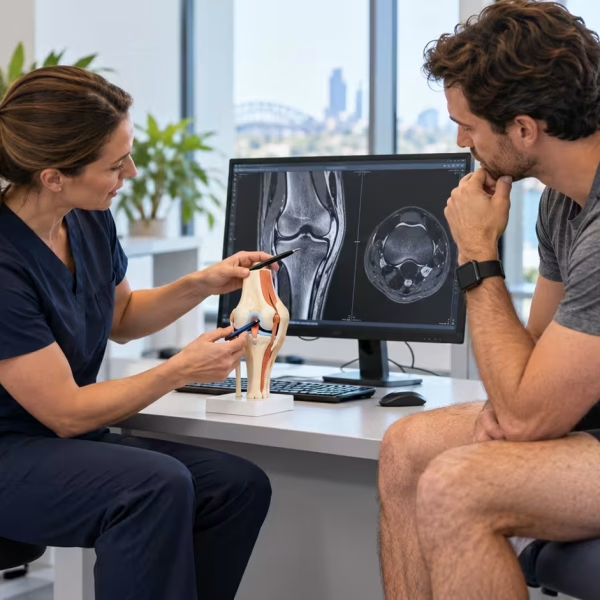
A musculoskeletal assessment examines the painful area, the way it is being loaded and the health and activity factors that may be contributing to symptoms. The aim is to develop a clinically reasoned diagnosis and an individual management plan.
When an Assessment May Help
Consider an assessment when pain is persistent, keeps returning, limits work or activity, has not improved as expected, or when the diagnosis or next step remains unclear. Assessment may also be appropriate before returning to sport or progressing rehabilitation.
What the Clinician Considers
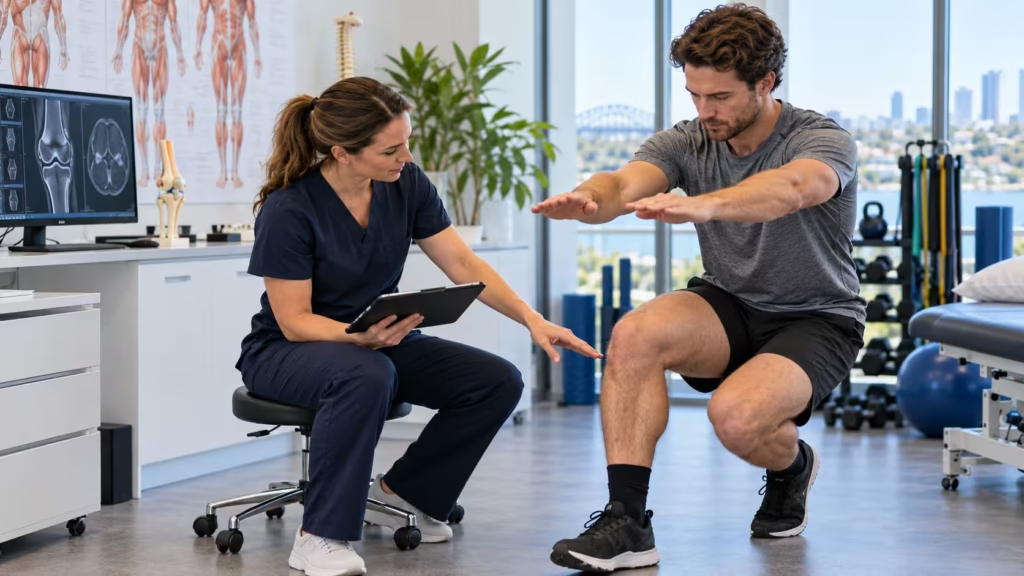
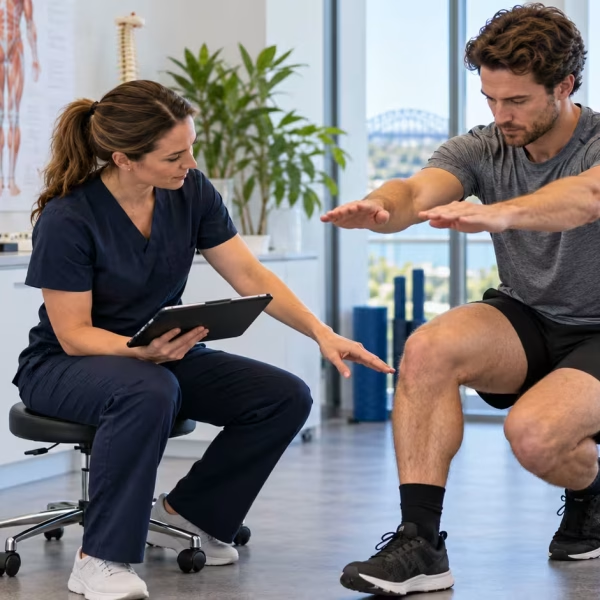
The consultation may include symptom history, injury mechanism, medical history, medication, previous treatment, imaging, physical demands and personal goals. Examination may assess movement, strength, joint function, tenderness, loading tolerance and relevant biomechanical or neurological factors.

When an Assessment May Help
Consider an assessment when pain is persistent, keeps returning, limits work or activity, has not improved as expected, or when the diagnosis or next step remains unclear. Assessment may also be appropriate before returning to sport or progressing rehabilitation.
What the Clinician Considers
The consultation may include symptom history, injury mechanism, medical history, medication, previous treatment, imaging, physical demands and personal goals. Examination may assess movement, strength, joint function, tenderness, loading tolerance and relevant biomechanical or neurological factors.

A Working Diagnosis — Not a Scan in Isolation
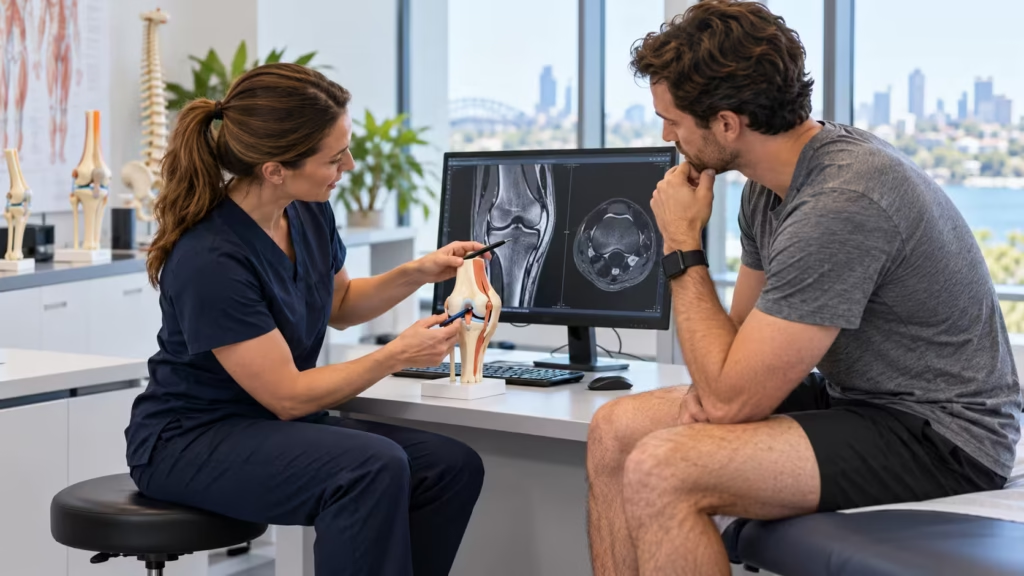
The clinician explains the likely diagnosis and important alternatives. Imaging can contribute to this process but is not automatically required. Age-related or incidental findings are common, so results must be interpreted in the clinical context.
Your Management Plan
Depending on the findings, the plan may include education, pacing, load modification, footwear or biomechanical advice, rehabilitation, orthotic prescription, medication review with an appropriate prescriber, selective imaging, a procedure discussion or referral to another practitioner.
What to Bring
Bring relevant referrals, imaging and reports, a current medication list, suitable clothing and the footwear or equipment associated with the problem. Think about the activities you want to return to and the questions you want answered.
FREQUENTLY ASKED QUESTIONS
How long does assessment take?
Appointment length depends on the booking type and complexity. The clinic will confirm the appropriate appointment when booking.
Does assessment always lead to treatment on the day?
No. The priority is to understand the problem and agree on a safe plan. Further investigation or another opinion may be recommended first.
What if I already have an MRI or ultrasound?
Bring the images and report. Existing investigations are reviewed alongside the current examination rather than automatically repeated.
Start with the right healthcare service.
Book a consultation to find out whether miraDry® may be appropriate for you.
All procedures carry potential risks. Individual experiences and outcomes vary.