Tendon and fascia conditions

Tendinopathy and Fasciopathy

Persistent tendon and fascia pain is often influenced by load, tissue capacity, movement, recovery and health factors. Effective care starts with confirming the likely pain source and understanding why symptoms have not settled.

Dr. Carlos Tahuil-Ochoa

Patellar, gluteal and elbow tendon conditions

Book Appointment

Dr. Damien Lafferty

Foot and lower-leg tendon conditions, including relevant plantar fascia problems

Book Appointment
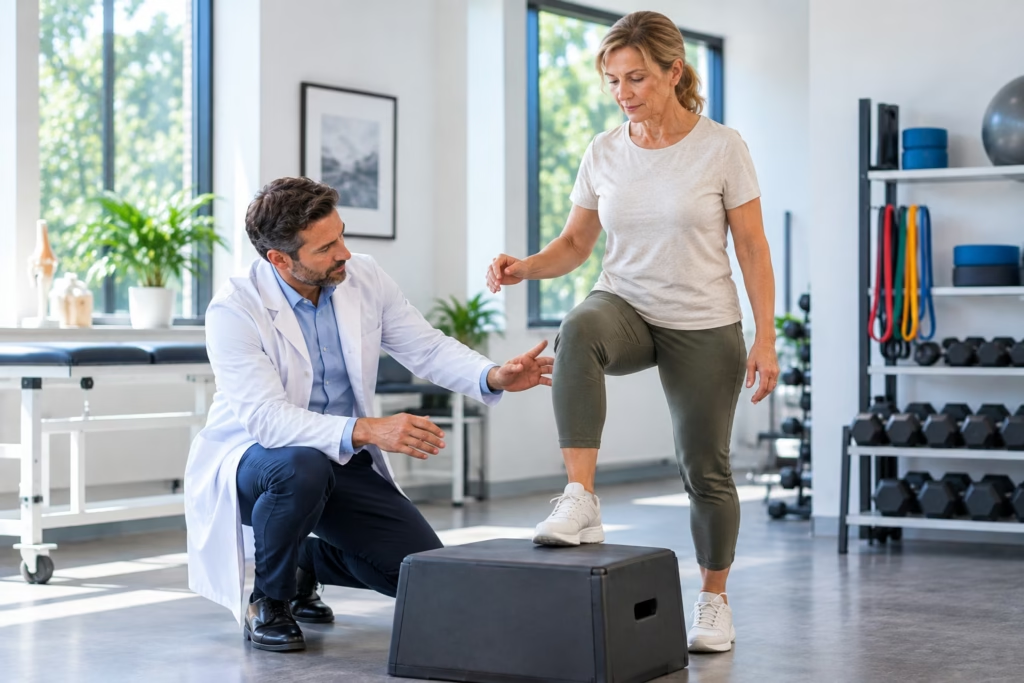
Clinician crouching beside a patient who performs a single-leg step-up exercise
Woman walking along a coastal path with the ocean behind her
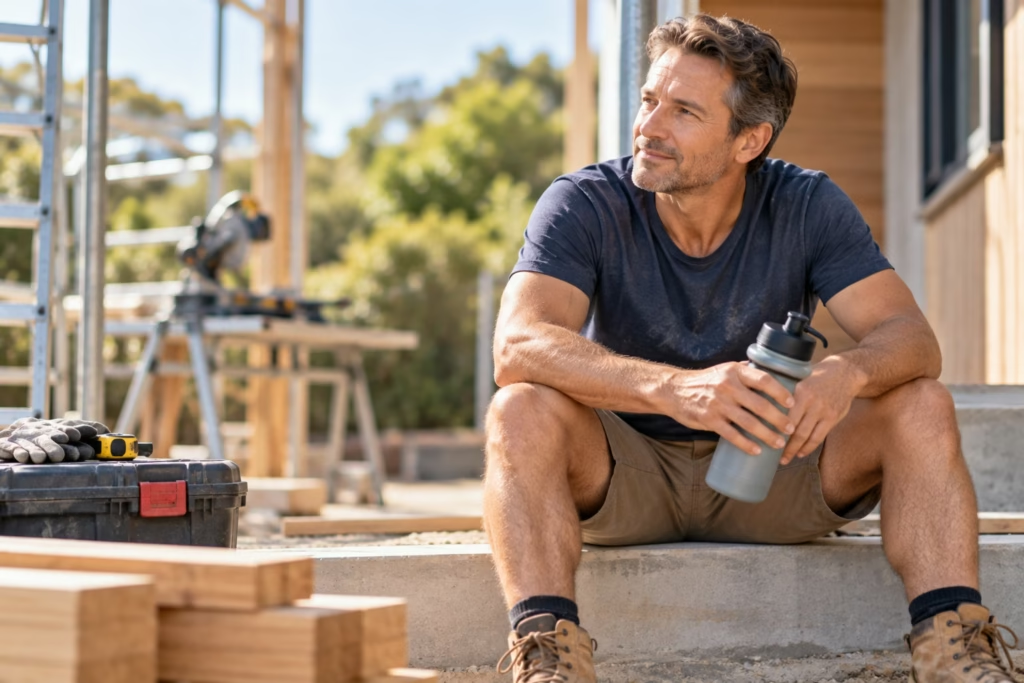
Man sitting on outdoor steps holding a water bottle after exercise
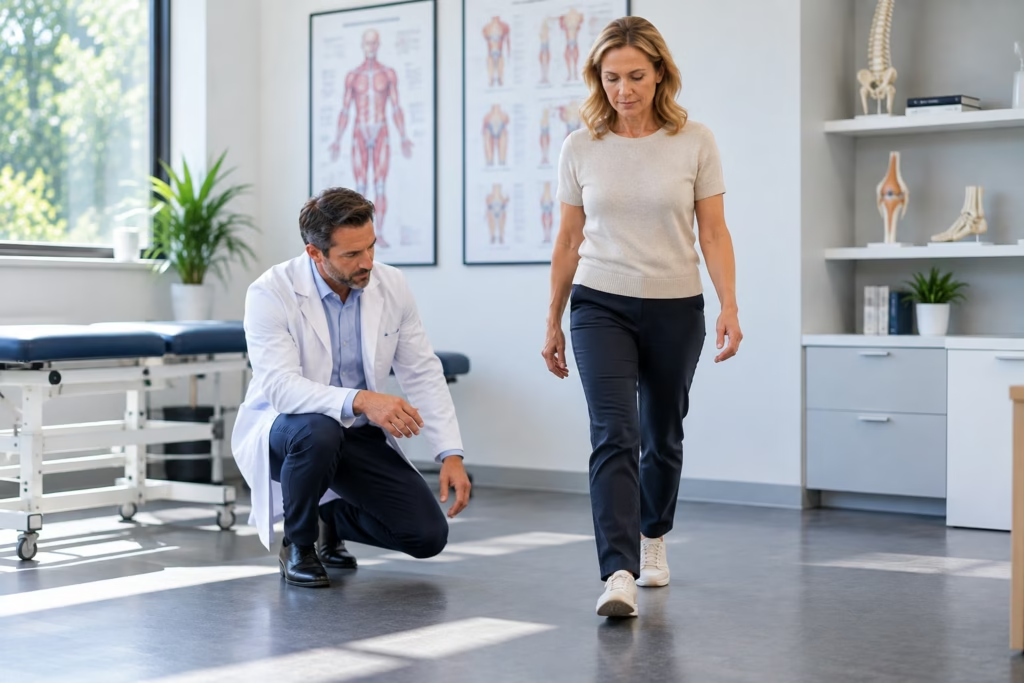
Clinician crouching in the clinic watching a patient walk toward him
Man sitting on a bench at a tennis court with a towel, holding his knee
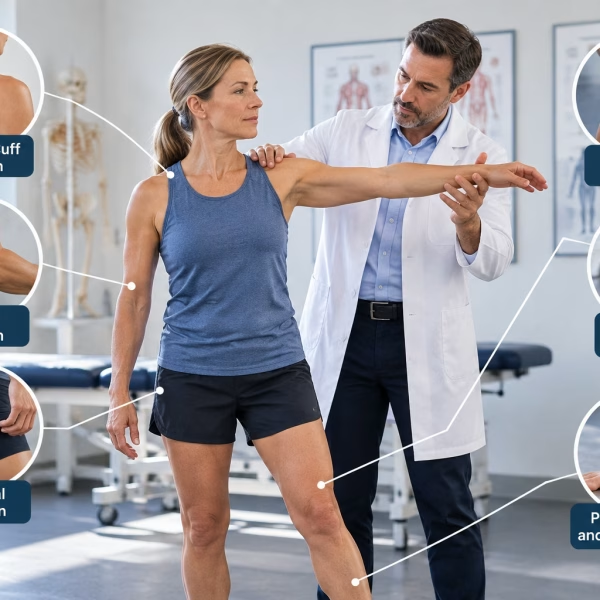
Clinician assessing a patient’s arm with diagram callouts showing common tendon pain sites

Common Presentations

The clinic assesses selected Achilles, patellar, gluteal, rotator-cuff, elbow and foot tendon conditions as well as plantar fascia problems. The responsible clinician depends on the body region. Foot and lower-leg tendon conditions are assessed by Dr Damien Lafferty, Surgical Podiatrist. Patellar, gluteal and elbow tendon conditions are assessed by Dr Carlos Tahuil-Ochoa, Specialist General Practitioner.

Dr. Carlos Tahuil-Ochoa

Patellar, gluteal and elbow tendon conditions

Book Appointment

Dr. Damien Lafferty

Foot and lower-leg tendon conditions, including relevant plantar fascia problems

Book Appointment

Diagnosis Is Clinical

A diagnosis is based on the symptom pattern and examination. Diagnostic musculoskeletal ultrasound or MRI may be useful when the diagnosis is uncertain, a tear is suspected, progress is unexpected or the result would change treatment. Imaging abnormalities can also occur without pain.

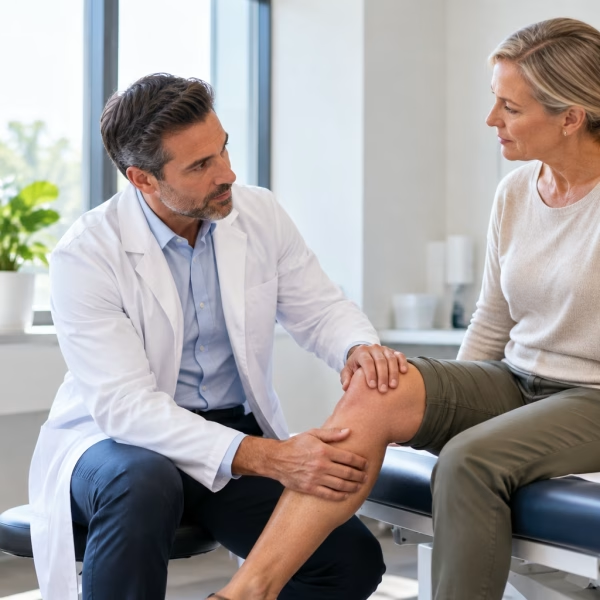
Clinician examining a seated patient’s knee on a treatment table
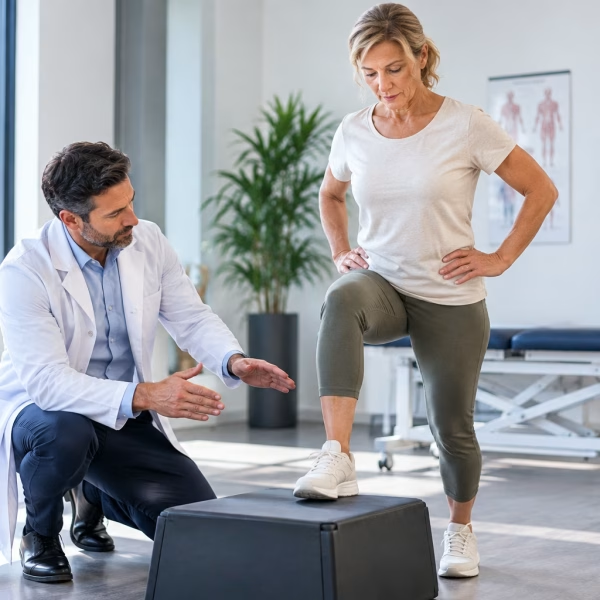
Clinician kneeling beside a patient performing a step exercise
Clinician kneeling beside a patient doing a single-leg squat in the clinic gym
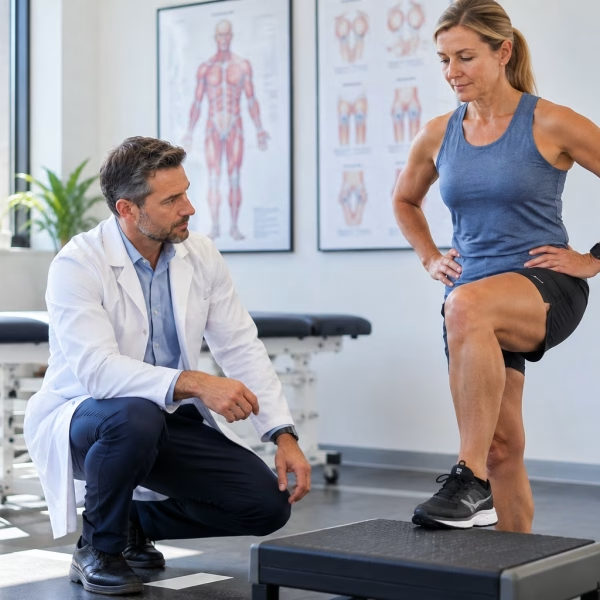
Clinician kneeling beside a patient stepping onto a platform during rehabilitation

Progressive Loading

Rehabilitation usually aims to improve the tissue’s ability to tolerate load. Exercise selection, intensity and progression depend on irritability, duration, strength, function and the activities the patient wants to resume.

Additional Options

Education, activity modification, footwear or biomechanical strategies and management of relevant health factors may be included. A procedure may be discussed for selected persistent presentations, but it does not replace diagnosis, load management and rehabilitation.

Part of the HealthiClinic Joint and Musculoskeletal Clinic in Greenwich. Read the information for referring practitioners.

Ask the clinic which appointment is appropriate

Dr. Carlos Tahuil-Ochoa

Patellar, gluteal and elbow tendon conditions

Book Appointment

Dr. Damien Lafferty

Foot and lower-leg tendon conditions, including relevant plantar fascia problems

Book Appointment
Clinician showing a seated patient a printed leaflet during a consultation

FREQUENTLY ASKED QUESTIONS​

Is tendinopathy inflammation?

Persistent tendinopathy is not explained by inflammation alone. Tissue structure, capacity, loading and pain mechanisms may all contribute.

Complete rest is rarely the long-term solution. A temporary reduction or change in load may be followed by gradual rehabilitation.

No. Management depends on the tendon, extent of injury, function, health factors and goals. Some tears require urgent specialist assessment.

Start with the right healthcare service.

Book a consultation to find out whether miraDry® may be appropriate for you.

All procedures carry potential risks. Individual experiences and outcomes vary.

Dr. Damien Lafferty

Foot and lower-leg tendon conditions, including relevant plantar fascia problems

Book Appointment

Dr. Carlos Tahuil-Ochoa

Patellar, gluteal and elbow tendon conditions

Book Appointment
Scroll to Top