Diagnostic Musculoskeletal Ultrasound

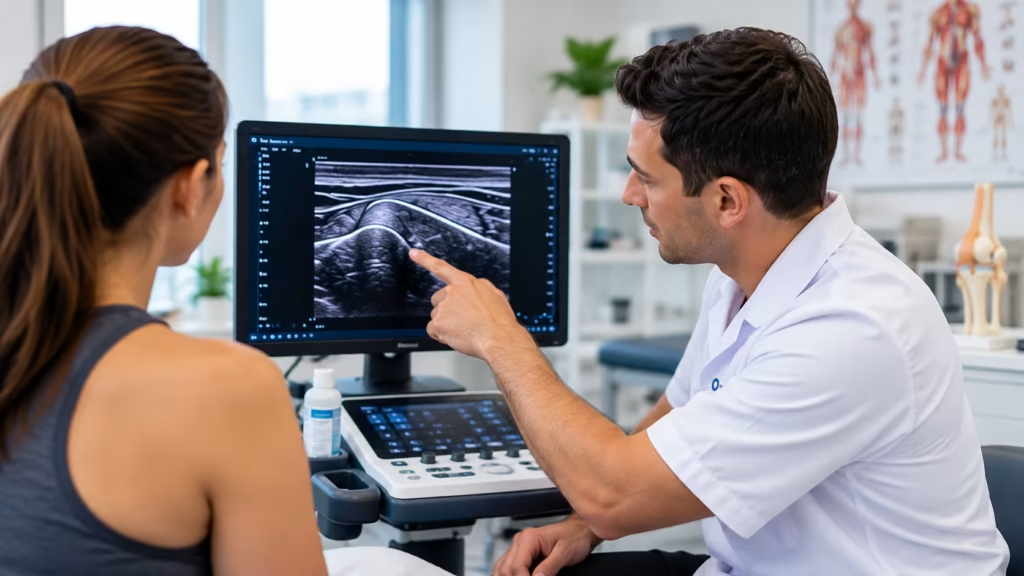
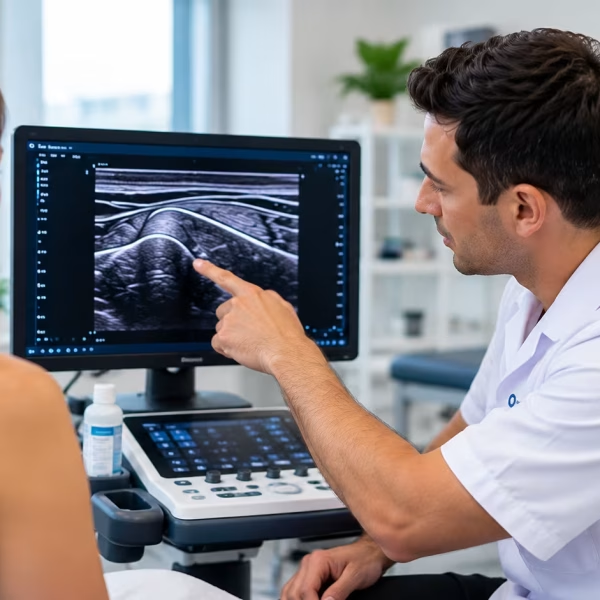
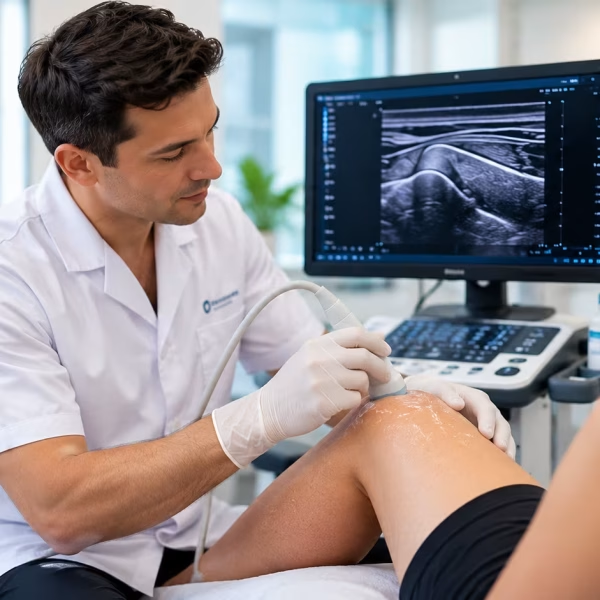
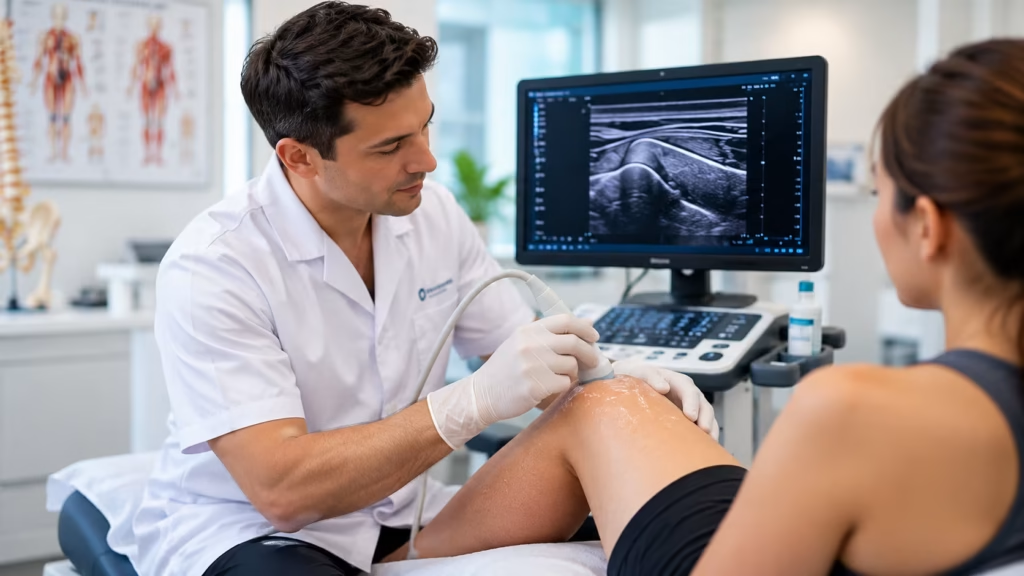
Diagnostic musculoskeletal ultrasound provides real-time images of selected superficial soft tissues and joints. At HealthiClinic it is used to answer a defined clinical question and is interpreted with the patient’s history, examination and other relevant investigations.

Diagnostic musculoskeletal ultrasound

What Ultrasound May Assess

Depending on the body region and clinical question, ultrasound may assess tendons and tendon sheaths, muscles, selected ligaments, superficial fasciae, bursae, joint effusions, synovial change, selected cysts or superficial lumps and dynamic movement or impingement in selected presentations.
When Ultrasound May Be Useful

Ultrasound may help clarify a suspected tendon tear, tendinopathy, bursitis, plantar fascia abnormality, joint effusion or superficial soft-tissue lesion. It may also support dynamic assessment and image visualisation during a clinically indicated procedure.

Diagnostic musculoskeletal ultrasound

What Ultrasound Cannot Determine by Itself

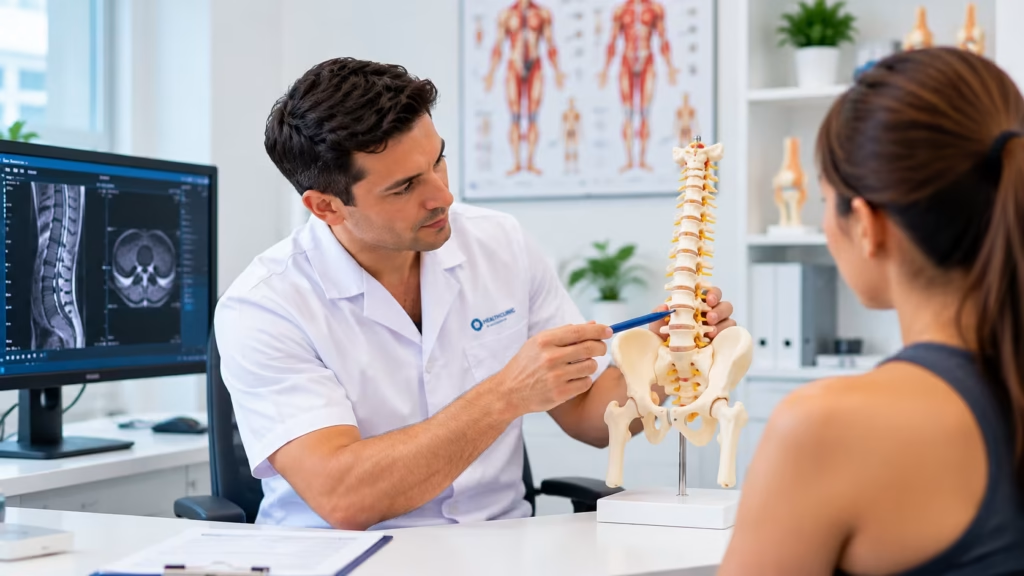
An ultrasound image does not replace a medical or musculoskeletal assessment and cannot prove which finding is causing pain. Some conditions require X-ray, MRI, CT, pathology testing or specialist assessment. Normal imaging also does not exclude every possible cause of symptoms.

During the Appointment

Kelby reviews the referral or clinical question, confirms the area to be assessed and explains the examination. Images and measurements are recorded and a report is prepared according to the clinic’s reporting process. Clothing may need to be adjusted so the area can be examined appropriately.

Diagnostic musculoskeletal ultrasound

Ultrasound and Guided Procedures

Kelby may provide ultrasound visualisation during selected procedures. The appropriately qualified treating clinician determines whether the procedure is indicated, obtains consent, explains risks and alternatives, performs the procedure and manages follow-up care.

FREQUENTLY ASKED QUESTIONS​

Do I need a referral?

Referral requirements depend on the examination, reporting arrangement and funding pathway. Contact HealthiClinic before booking.

No. Each investigation has different strengths. The clinician selects imaging according to the anatomy and clinical question.

Kelby provides diagnostic imaging and may support image visualisation. The treating clinician is responsible for assessing, consenting, performing and reviewing a procedure.

Start with the right healthcare service.

Book a consultation to find out whether miraDry® may be appropriate for you.

All procedures carry potential risks. Individual experiences and outcomes vary.

Scroll to Top

Leave us a Message

We would love to hear from you, please leave us a message below and one of our friendly team members will be in touch shortly.

Leave us a Message

We would love to hear from you, please leave us a message below and one of our friendly team members will be in touch shortly.