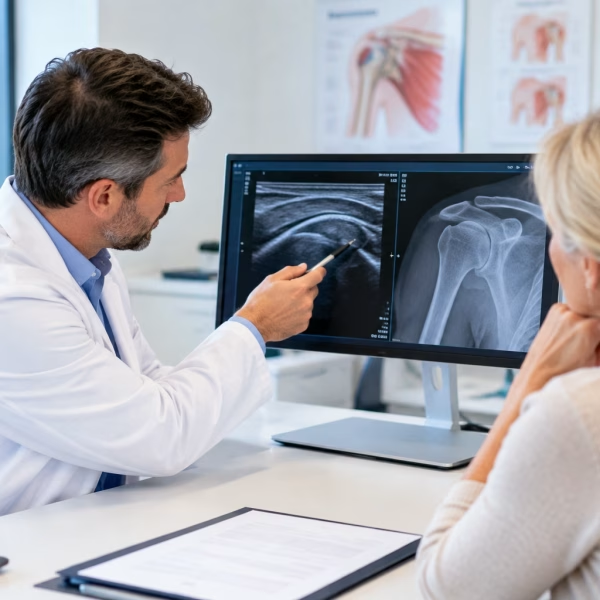
Shoulder and Rotator Cuff
Shoulder Pain and Rotator Cuff Conditions
Shoulder pain may arise from the rotator cuff, bursa, joint, neck or other structures. Because imaging changes are common even in people without pain, diagnosis depends on the symptom pattern and physical examination as well as any scan.
Common Presentations
The clinic assesses selected presentations including rotator-cuff related shoulder pain, tendinopathy, bursitis, reduced movement, osteoarthritis, instability and activity-related symptoms. Acute trauma, deformity, major weakness or systemic symptoms may require urgent imaging or referral.

Assessment and Imaging
Carlos provides medical assessment for shoulder conditions and Kristopher has a particular interest in shoulder injuries and active patients. Ultrasound may help answer selected rotator-cuff or bursal questions; X-ray or MRI may be more appropriate in other circumstances.
Rehabilitation
Management may include education, activity modification, mobility work, progressive strengthening and graded return to work, gym or sport. Rehabilitation is matched to irritability and functional goals.
When a Procedure Is Considered
A procedure is only one possible option. The clinician should first explain the working diagnosis, expected natural history, non-procedural alternatives, evidence, risks, limitations and follow-up plan.
FREQUENTLY ASKED QUESTIONS
Does a rotator-cuff tear always need surgery?
No. Many tears can be managed non-operatively, but treatment depends on trauma, tear characteristics, weakness, function, age, health and goals.
Is bursitis the cause of all shoulder pain?
No. Bursal change may contribute, but shoulder pain can have several sources and imaging findings require clinical correlation.
Which practitioner should I see?
The intake team can direct you according to the presentation. Carlos provides medical assessment; Kristopher and Jai provide osteopathic assessment and rehabilitation.
Start with the right healthcare service.
Book a consultation to find out whether miraDry® may be appropriate for you.
All procedures carry potential risks. Individual experiences and outcomes vary.