Biomechanics and orthotics

Biomechanical Assessment and Orthotic Prescription

Biomechanical assessment considers how the foot, ankle and lower limb move and tolerate load. Orthoses are prescribed only when the assessment indicates that changing load, support or movement may contribute meaningfully to the management plan.

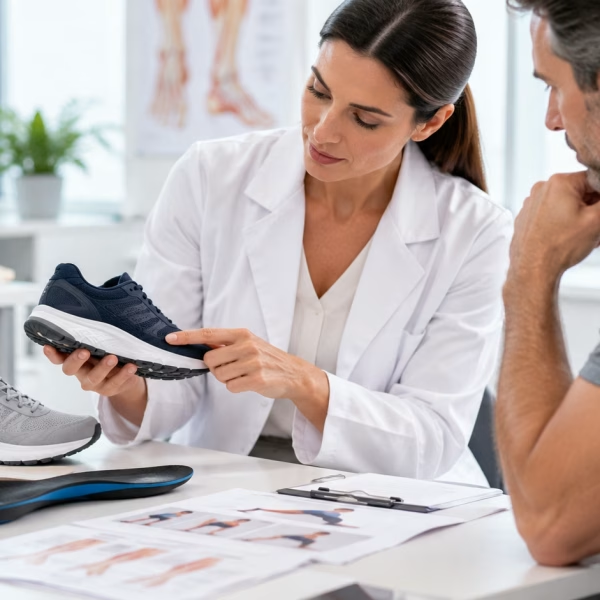
Podiatrist assessing a patient’s heel and foot alignment with an orthotic insole beside them
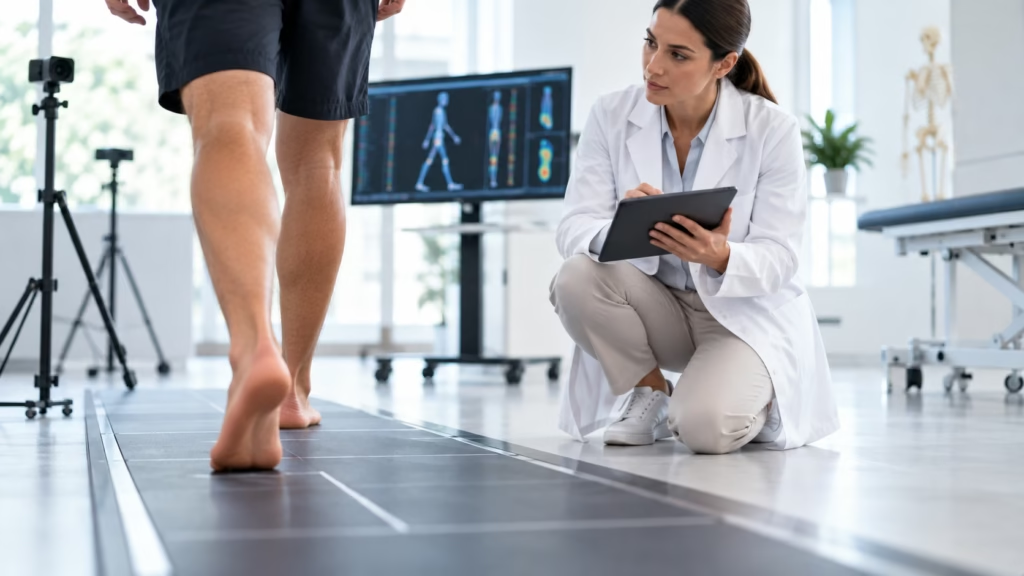
Clinician with a tablet watching a patient walk across a gait analysis platform
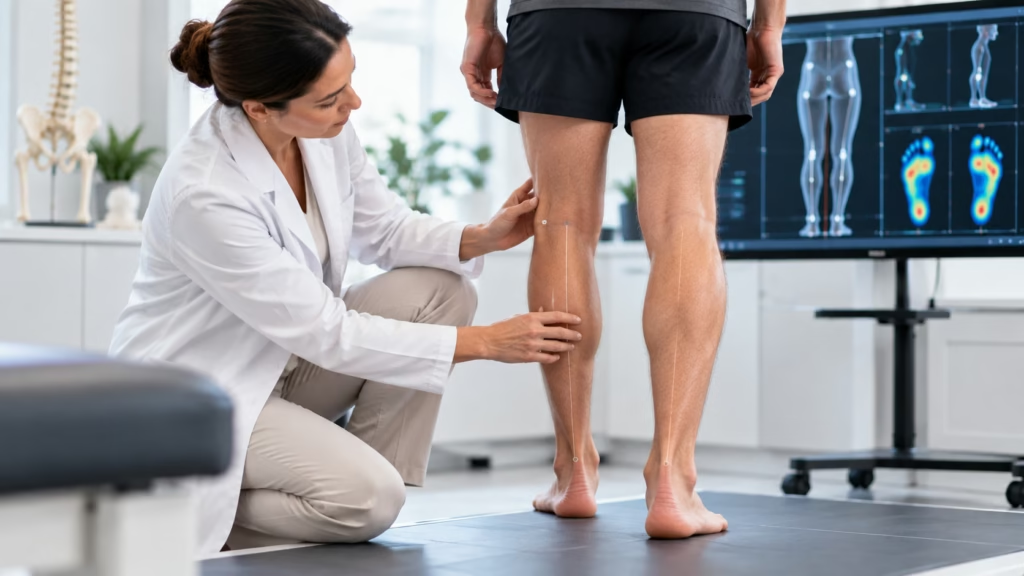
Clinician checking a patient’s leg alignment while standing, with body scan images on the screen
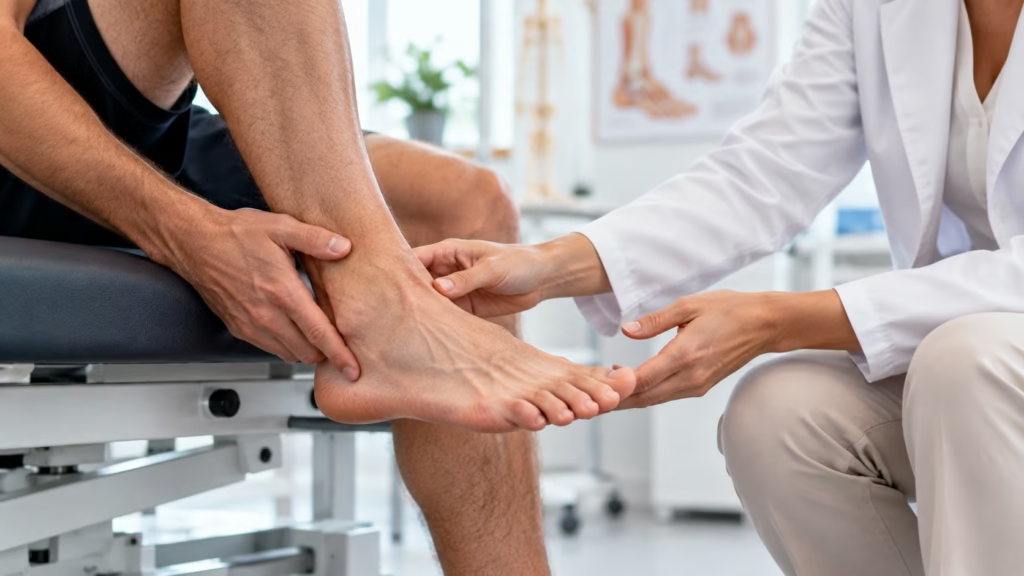
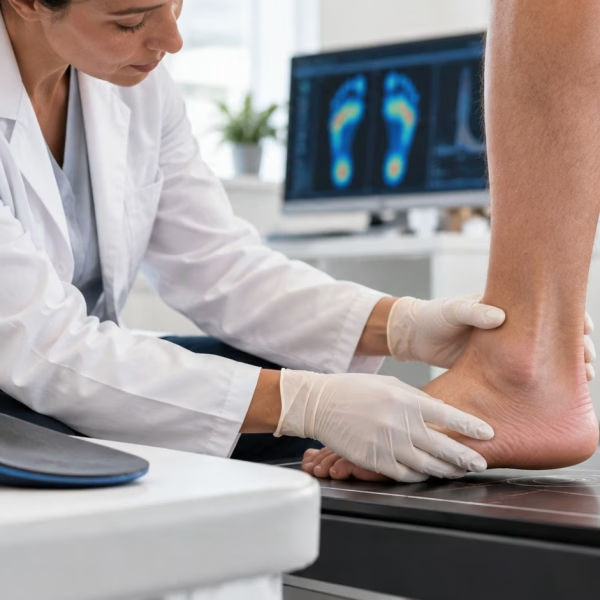
Clinician examining a patient’s foot and ankle by hand
Clinician showing a patient a tablet and an orthotic insole while discussing results
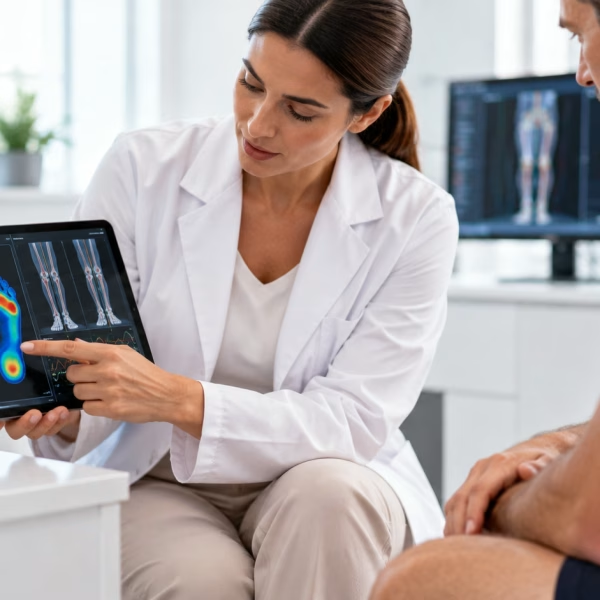
Clinician showing a patient foot pressure scan results on a tablet during a biomechanical assessment

Reasons for Assessment

Assessment may be appropriate for recurring foot or ankle pain, activity-related symptoms, suspected load-related tendon or fascia problems, footwear difficulty, reduced stability or symptoms that have not improved with a generic approach. Related pages: musculoskeletal assessment and chronic heel pain treatment.

What Is Assessed

Dr Damien Lafferty — Surgical Podiatrist may examine joint movement, muscle function, alignment, gait, footwear, activity demands and the relationship between local symptoms and lower-limb loading. The assessment is directed by the clinical question rather than a standard checklist alone.
Smiling man in a grey suit with arms crossed
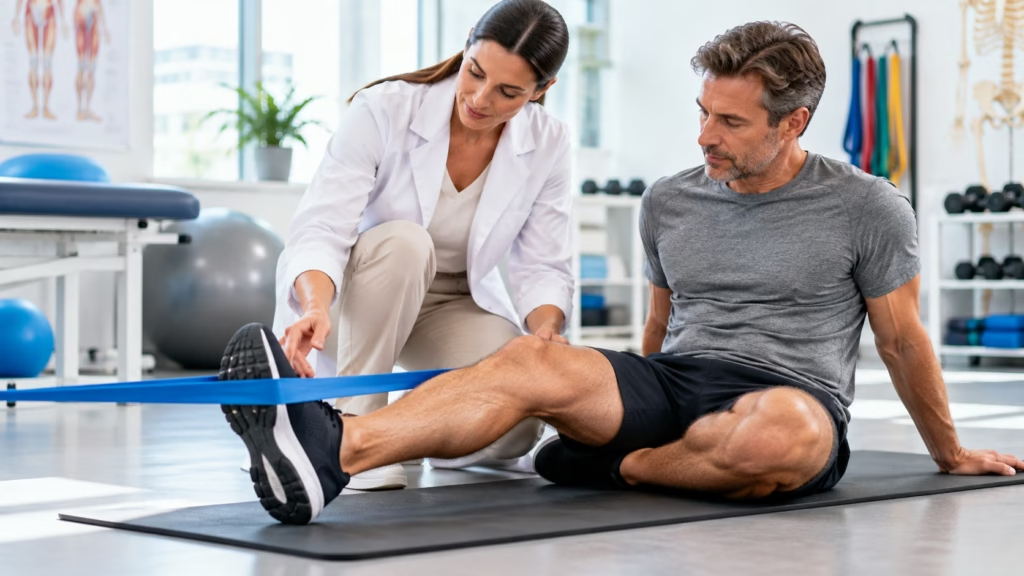
Clinician assisting a patient with a resistance band stretch on an exercise mat
Person lacing a running shoe outdoors with orthotic insoles and an exercise mat beside them
Clinician comparing footwear and orthotic insoles with a patient at a desk

Orthoses Are One Option

Not every patient needs orthoses. Management may instead involve footwear changes, load modification, exercises, rehabilitation or investigation of another diagnosis. When orthoses are recommended, the prescription should have a defined purpose and be reviewed against symptoms and function. Podiatry patients can also read about orthotics and biomechanical assessment (podiatry).

What to Bring

Bring commonly used work, walking or sports shoes, current orthoses, relevant imaging and a description of the activities that provoke symptoms.

Part of the HealthiClinic Joint and Musculoskeletal Clinic in Greenwich. Learn more about our joint and musculoskeletal team. Read the information for referring practitioners.

Ask the clinic which appointment is appropriate

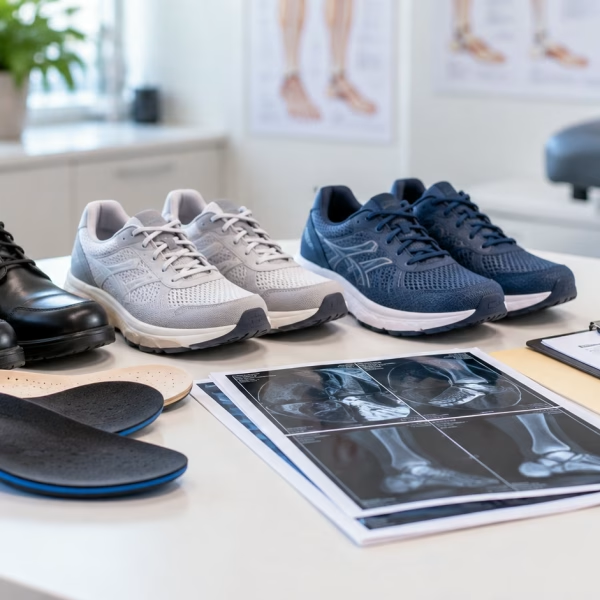
Work shoes, trainers and orthotic insoles laid out beside a scan report on a desk

FREQUENTLY ASKED QUESTIONS​

Do custom orthoses work for everyone?

Many patients can contact the clinic directly. A referral may be required for some imaging, funding arrangements or specialist pathways. Contact the clinic if you are unsure.

The extent of gait or movement assessment depends on the presentation and the clinical question.

Not necessarily. Ultrasound is recommended only when it is clinically appropriate and likely to contribute useful information.

Start with the right healthcare service.

Book a consultation to find out whether miraDry® may be appropriate for you.

All procedures carry potential risks. Individual experiences and outcomes vary.

Scroll to Top