HealthiClinic Joint and Musculoskeletal Clinic
A coordinated plan for persistent joint, tendon, muscle and soft-tissue pain. Our Greenwich team brings together clinical assessment, diagnostic musculoskeletal ultrasound, biomechanics, treatment planning and rehabilitation. Care begins with understanding the problem, not with a predetermined scan, procedure or treatment.
Who We Help
The clinic is designed for people with persistent or recurring symptoms, an uncertain diagnosis, osteoarthritis, tendon or fascia pain, lower-limb biomechanical concerns, orthotic needs, or a need for coordinated rehabilitation.
We assess the person as well as the painful area. Previous imaging, treatment responses, physical demands, health factors and personal goals are considered when developing a plan.
How Care Works
- Assessment: we clarify the symptoms, history, functional limitations and goals, then perform a focused clinical examination.
- Selective investigation: ultrasound, X-ray, MRI, pathology testing or specialist review is recommended only when it is likely to change management.
- Individual plan: the clinician explains the working diagnosis, reasonable options, expected timeframes, limitations and alternatives.
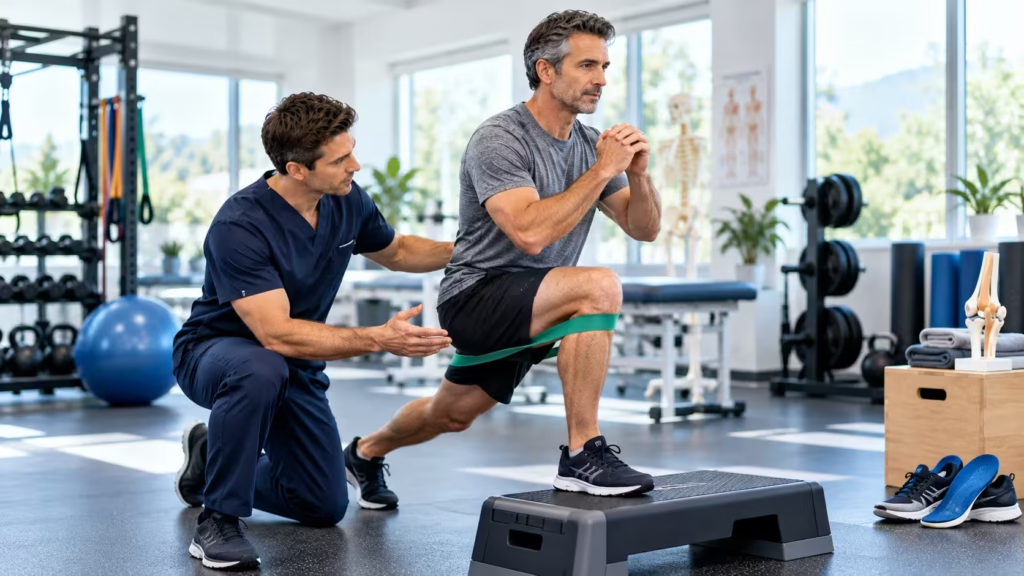
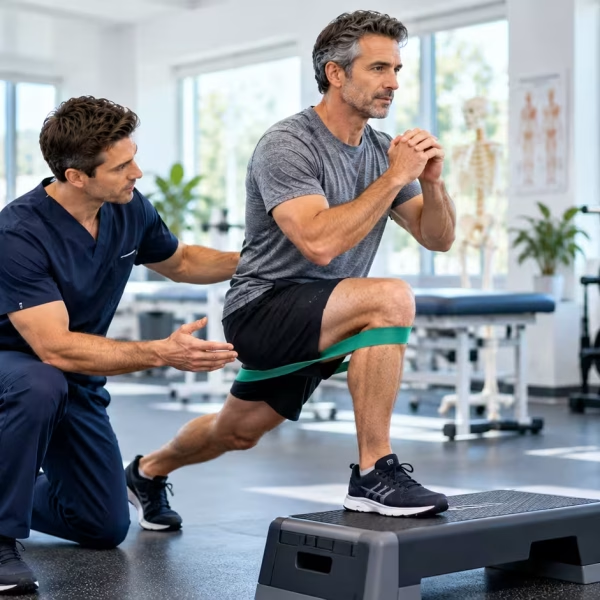
- Treatment, rehabilitation and review: care may include education, load management, biomechanics, orthotic prescription, osteopathic care, progressive rehabilitation or a clinically indicated procedure.
Conditions We Assess
Our clinicians assess problems affecting the foot and ankle, lower leg, knee, hip, shoulder, elbow and other selected musculoskeletal regions. Common presentations include osteoarthritis, tendinopathy, fasciopathy, activity-related pain, reduced mobility, recurrent symptoms and persistent pain that has not improved as expected.
One Clinic With Clear Clinical Responsibilities
- Dr. Damien Lafferty (Surgical Podiatrist) – assesses lower-leg, ankle and foot conditions, including biomechanics and orthotic prescription.
- Dr. Carlos Tahuil-Ochoa (Specialist General Practitioner) – assesses knee, hip, shoulder, elbow and other selected conditions from the knee upwards.
- Dr. Kristopher Sanford (Osteopath) & Dr. Jai Moloy (Osteopath) – provide whole-body osteopathic assessment, rehabilitation and musculoskeletal training.
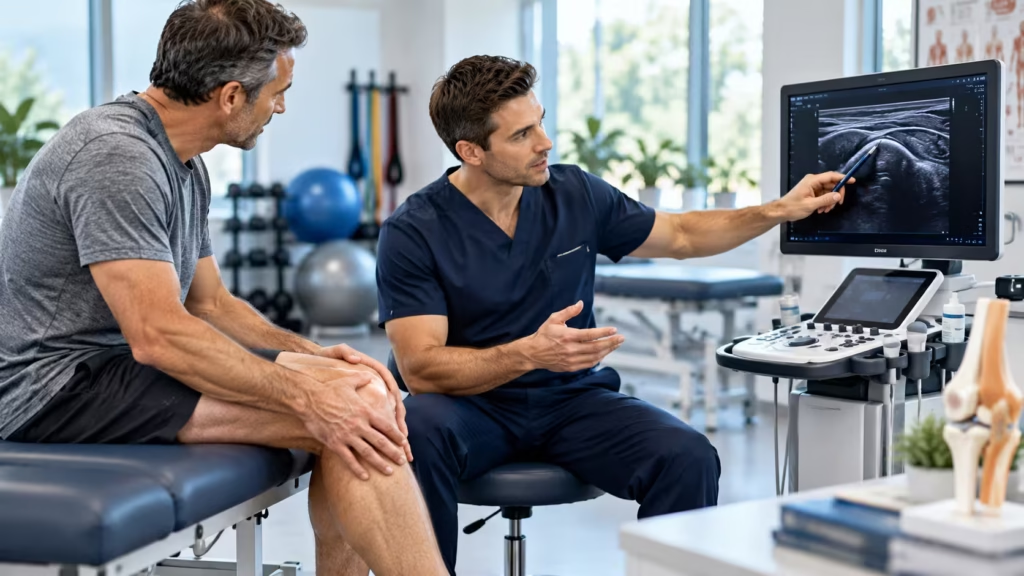
- Kelby Govender (Sonographer) – provides diagnostic musculoskeletal ultrasound and imaging support when clinically indicated.
Patients do not need to decide which practitioner to see. The clinic team can review the body region, symptoms and referral information and direct the patient to an appropriate first appointment.
Diagnostic Ultrasound When It Adds Value
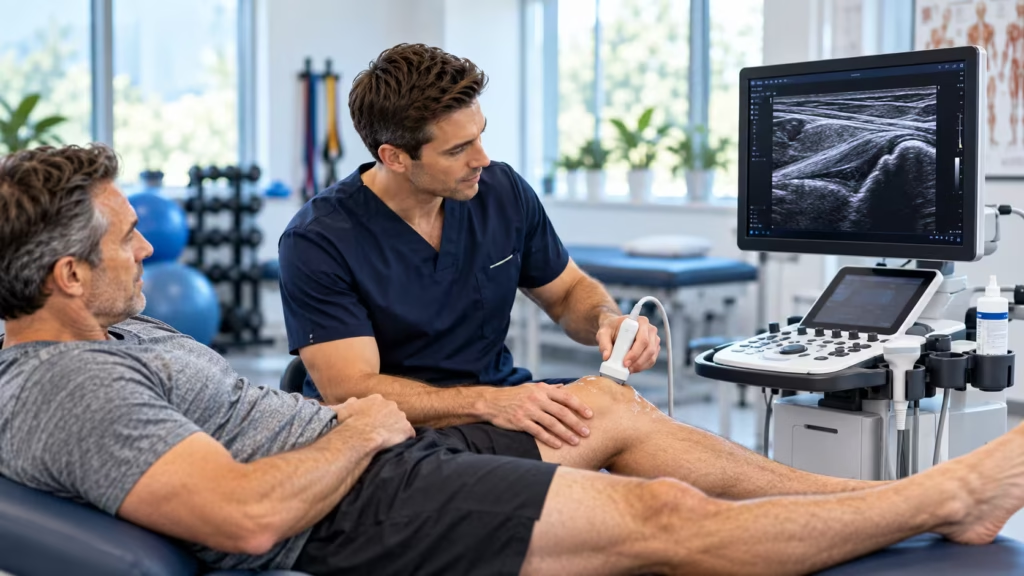
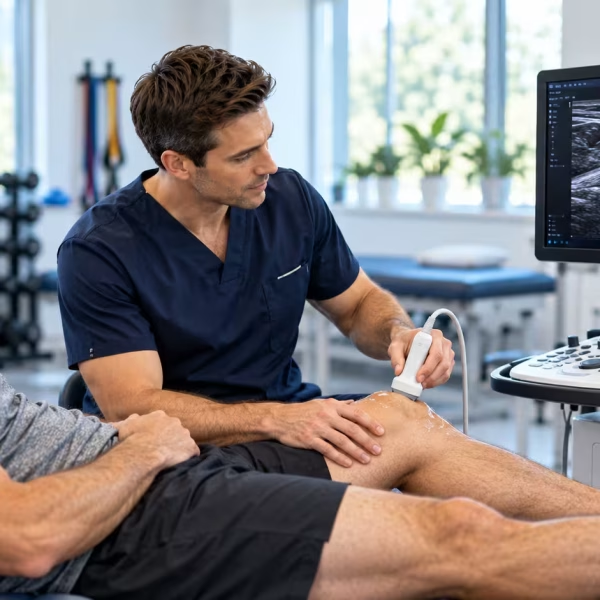
Musculoskeletal ultrasound can assess selected tendons, fasciae, muscles, bursae, joints and superficial soft tissues. It is useful only when it addresses a defined clinical question. Imaging findings are interpreted alongside the history and examination because scan findings do not always explain pain or determine treatment by themselves.
Treatment and Rehabilitation
Management may include education, activity and load modification, footwear advice, biomechanical assessment, orthotic prescription, mobility work, progressive strengthening, tendon loading and return-to-activity planning. For selected patients, a clinician may discuss an image-guided procedure after assessment. A procedure is never assumed to be necessary and is not guaranteed at the first appointment.
For Referring Practitioners
Health professionals can refer through one intake point. With patient consent, the clinic provides relevant findings, the management plan and return-to-referrer communication. Urgent or unexpected findings are escalated through the clinic’s governance pathway.
FREQUENTLY ASKED QUESTIONS
Do I need a referral?
Many patients can contact the clinic directly. A referral may be required for some imaging, funding arrangements or specialist pathways. Contact the clinic if you are unsure.
Which practitioner should I book?
It may be considered for adults concerned about excessive underarm sweating, subject to medical assessment. Suitability depends on health history, anatomy, symptoms, prior treatments and other factors. The practitioner may recommend another approach or further assessment instead.
Will I have an ultrasound at my first appointment?
Not necessarily. Ultrasound is recommended only when it is clinically appropriate and likely to contribute useful information.
Can I book directly for an injection?
The first step is a clinical assessment. If a procedure is considered, the clinician will discuss the diagnosis, evidence, benefits, limitations, risks, alternatives and rehabilitation requirements.
Start with the right healthcare service.
Book a consultation to find out whether miraDry® may be appropriate for you.
All procedures carry potential risks. Individual experiences and outcomes vary.