
Surgery & Care
Vascular Surgery
HealthiClinic provides access to vascular surgical care for conditions affecting arteries and veins. Assessment and treatment depend on the individual’s condition, symptoms, medical history and clinical findings.


What We Offer
Specialist Care for Your Vascular Health
Our vascular services provide assessment and management for conditions affecting the arteries and veins. From peripheral arterial disease and aortic aneurysms to carotid and venous conditions, care is tailored to your individual clinical circumstances, with treatment options discussed following appropriate assessment.
Peripheral Arterial Disease
Peripheral arterial disease involves reduced blood flow through arteries supplying the limbs. Assessment can help determine the severity of the condition and appropriate management.
Aortic Aneurysms
An aortic aneurysm is an enlargement of a section of the aorta. Management depends on factors such as its location, size, growth and the individual's clinical circumstances.
Endovascular Procedures
Endovascular procedures use minimally invasive techniques to access and treat selected vascular conditions from within the blood vessels. Suitability depends on the condition and clinical findings.
Endovascular Procedures
Endovascular procedures use minimally invasive techniques to access and treat selected vascular conditions from within the blood vessels. Suitability depends on the condition and clinical findings.
Venous Disease
Venous disease includes conditions affecting the veins and the return of blood through the venous system. Assessment helps determine the appropriate management approach.
Limb Preservation
Vascular assessment can form part of care for patients with conditions that may affect circulation and limb health. Management is individualised according to clinical circumstances.
Finding the Right Service
If you are unsure which HealthiClinic service is appropriate, contact the practice to discuss your healthcare needs and appointment options.
Relevant Practitioners
- Dr. Hamid Hajian
- Dr. David Robinson


Healthiclinic
How the Service Works
Your healthcare professional will discuss your concerns, review relevant medical history and perform an appropriate assessment. Where clinically appropriate, they may recommend further investigation, treatment, monitoring or referral. The service provided depends on individual clinical circumstances, practitioner scope and availability.
FREQUENTLY ASKED QUESTIONS
What does a vascular surgeon treat?
A vascular surgeon assesses and treats conditions affecting arteries and veins outside the heart and brain. These may include peripheral arterial disease, aneurysms, carotid disease, venous disorders and dialysis access needs. Treatment may be non-operative, endovascular or surgical.
When might I need to see a vascular surgeon?
A GP or specialist may refer a patient for symptoms, examination findings or imaging that suggest an arterial or venous condition. Urgent symptoms such as sudden limb pain, coldness, weakness, severe bleeding or signs of stroke require emergency assessment.
What happens at a vascular surgery consultation?
What is peripheral arterial disease?
Peripheral arterial disease is reduced blood flow in arteries supplying the limbs, most often the legs. It may cause exertional calf pain, slow-healing wounds or, in advanced cases, pain at rest. Assessment is important because symptoms and severity vary.
What is an aneurysm?
An aneurysm is an abnormal enlargement of an artery. Management depends on its location, size, growth, symptoms and the person’s overall health. Some aneurysms are monitored, while others may require endovascular or open surgical treatment.
What is endovascular surgery?
Endovascular treatment uses instruments passed through blood vessels to treat selected vascular conditions, often through small access sites. It is not suitable for every patient or condition. The surgeon considers anatomy, expected benefit, risks and alternatives before recommending an approach.
Does every vascular condition require surgery?
No. Some conditions are managed with monitoring, medicines, walking or lifestyle programs, wound care or risk-factor control. Procedures are considered when clinically appropriate. The treatment plan is based on symptoms, test results, disease severity and individual health factors.
What tests may be used in vascular assessment?
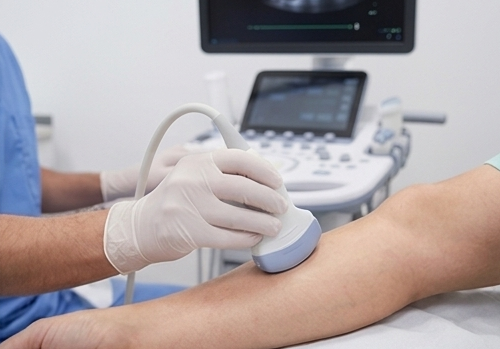
Tests may include vascular ultrasound, ankle-brachial pressure measurement, CT angiography, MR angiography or other investigations. The appropriate test depends on the suspected condition and the information needed for management.
What should I bring to a vascular surgeon appointment?
Bring the referral, imaging and reports, a medicines and allergies list, relevant hospital or specialist letters and details of prior vascular procedures. If imaging is held electronically, confirm that the surgeon can access it before the appointment.
Where can I see a vascular surgeon on Sydney’s Lower North Shore?
HealthiClinic provides access to vascular surgery consultations in Greenwich. Contact the clinic to confirm which surgeon is available, referral requirements and whether imaging or other information is needed before the appointment.
Start with the right healthcare service.
Contact HealthiClinic to discuss your needs, confirm service availability and arrange an appointment where appropriate.