Tendon and fascia conditions
Tendinopathy and Fasciopathy
Persistent tendon and fascia pain is often influenced by load, tissue capacity, movement, recovery and health factors. Effective care starts with confirming the likely pain source and understanding why symptoms have not settled.
Common Presentations
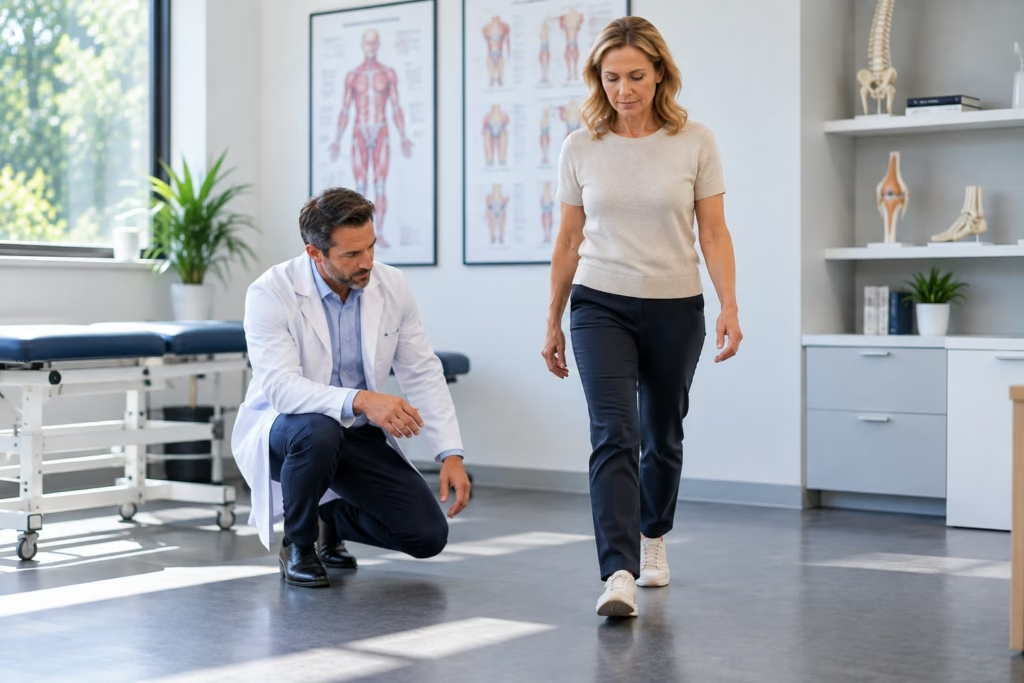
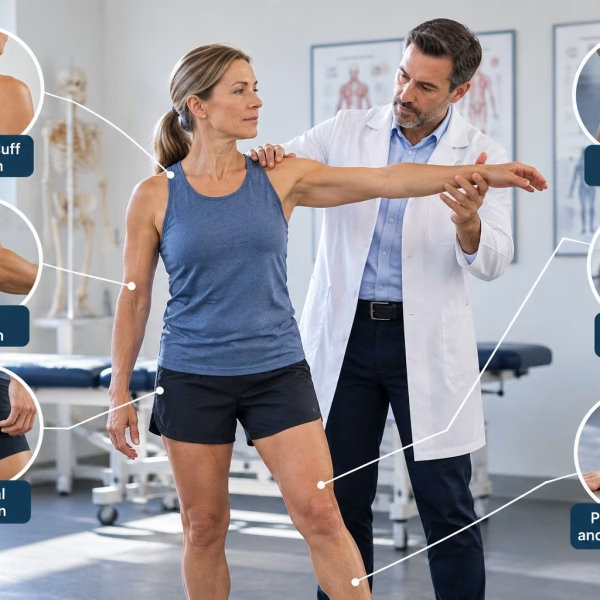
The clinic assesses selected Achilles, patellar, gluteal, rotator-cuff, elbow and foot tendon conditions as well as plantar fascia problems. The responsible clinician depends on the body region.
Diagnosis Is Clinical
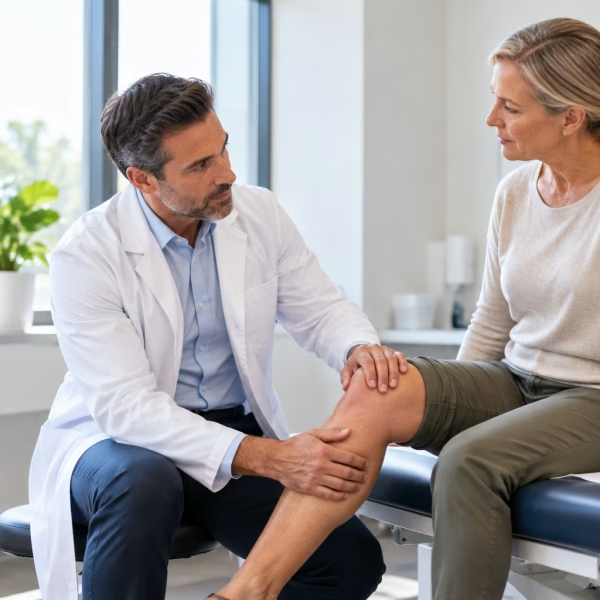
A diagnosis is based on the symptom pattern and examination. Ultrasound or MRI may be useful when the diagnosis is uncertain, a tear is suspected, progress is unexpected or the result would change treatment. Imaging abnormalities can also occur without pain.
Progressive Loading
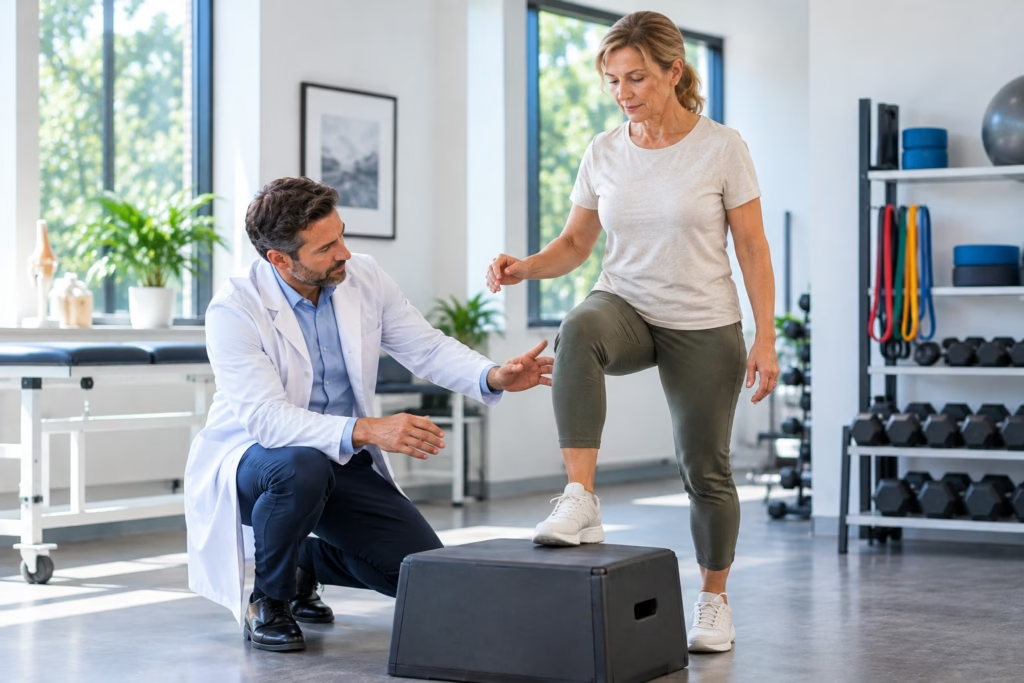
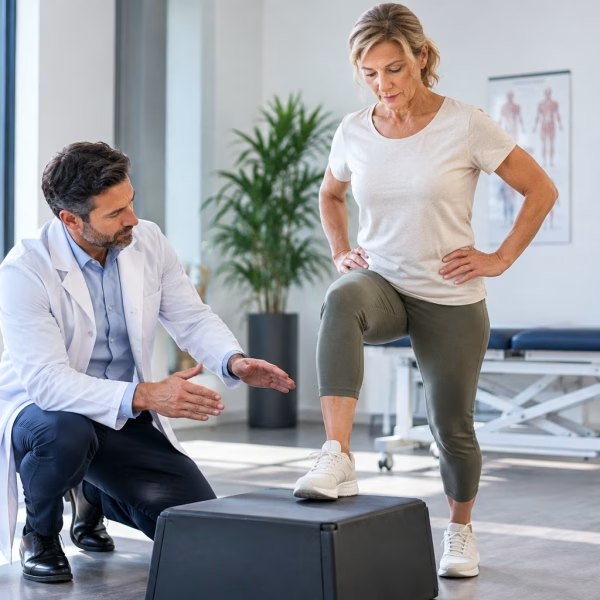
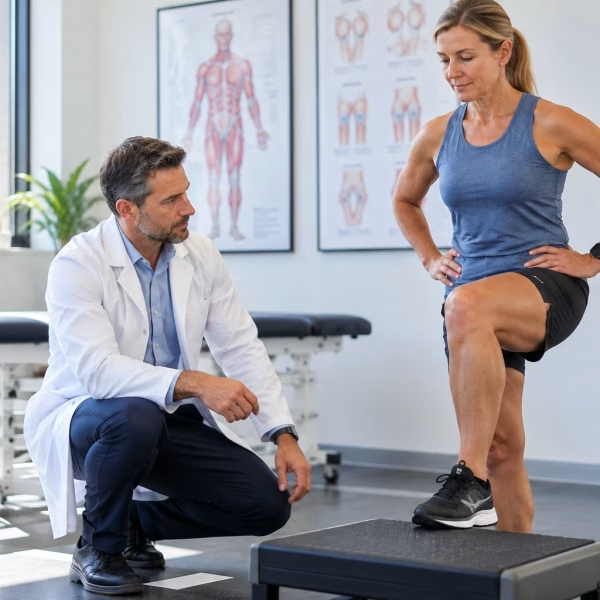
Rehabilitation usually aims to improve the tissue’s ability to tolerate load. Exercise selection, intensity and progression depend on irritability, duration, strength, function and the activities the patient wants to resume.
Additional Options
Education, activity modification, footwear or biomechanical strategies and management of relevant health factors may be included. A procedure may be discussed for selected persistent presentations, but it does not replace diagnosis, load management and rehabilitation.
FREQUENTLY ASKED QUESTIONS
Is tendinopathy inflammation?
Persistent tendinopathy is not explained by inflammation alone. Tissue structure, capacity, loading and pain mechanisms may all contribute.
Should I rest completely?
Complete rest is rarely the long-term solution. A temporary reduction or change in load may be followed by gradual rehabilitation.
Do tendon tears always need surgery?
No. Management depends on the tendon, extent of injury, function, health factors and goals. Some tears require urgent specialist assessment.
Start with the right healthcare service.
Book a consultation to find out whether miraDry® may be appropriate for you.
All procedures carry potential risks. Individual experiences and outcomes vary.