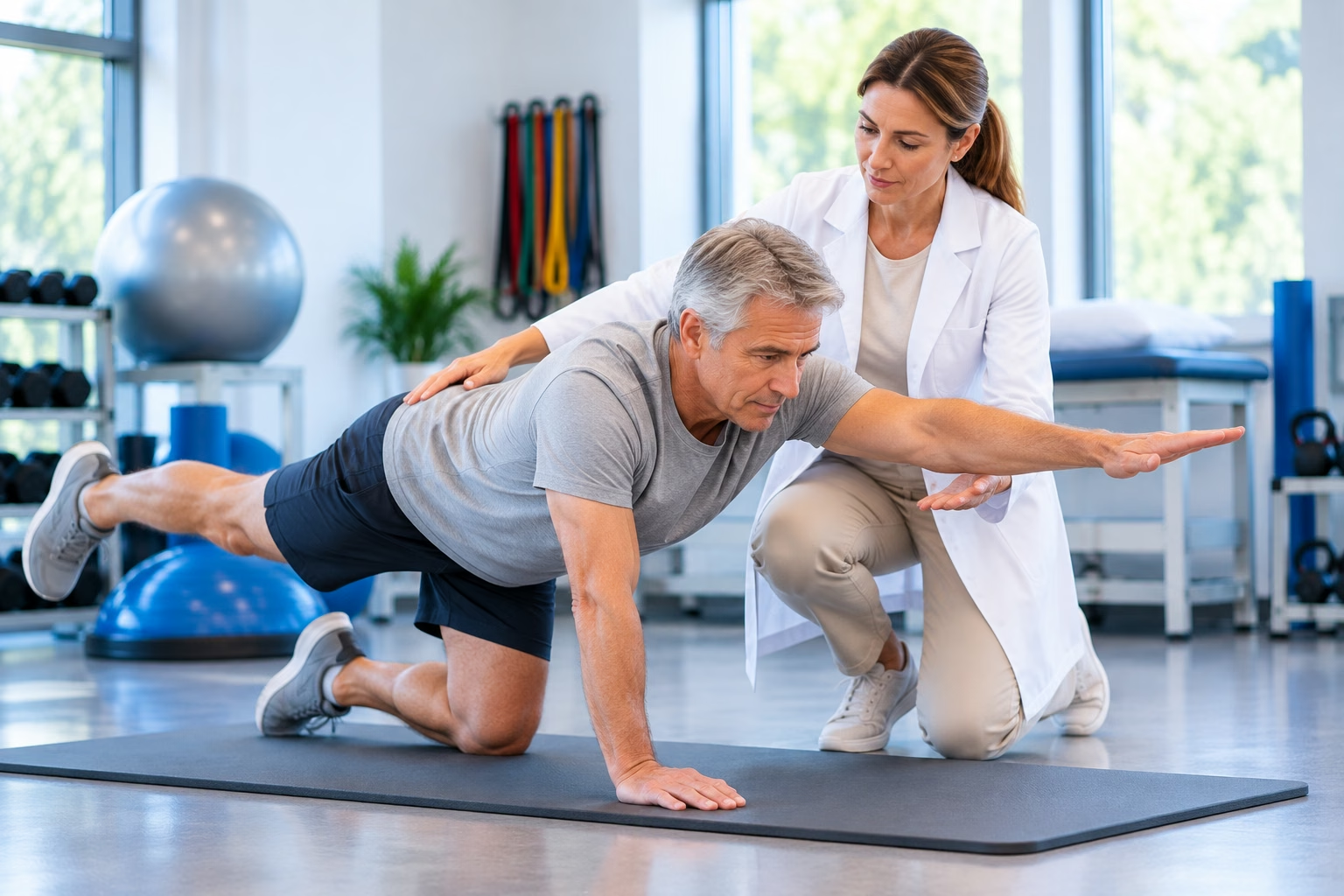
Whole-body Rehabilitation and Musculoskeletal Training
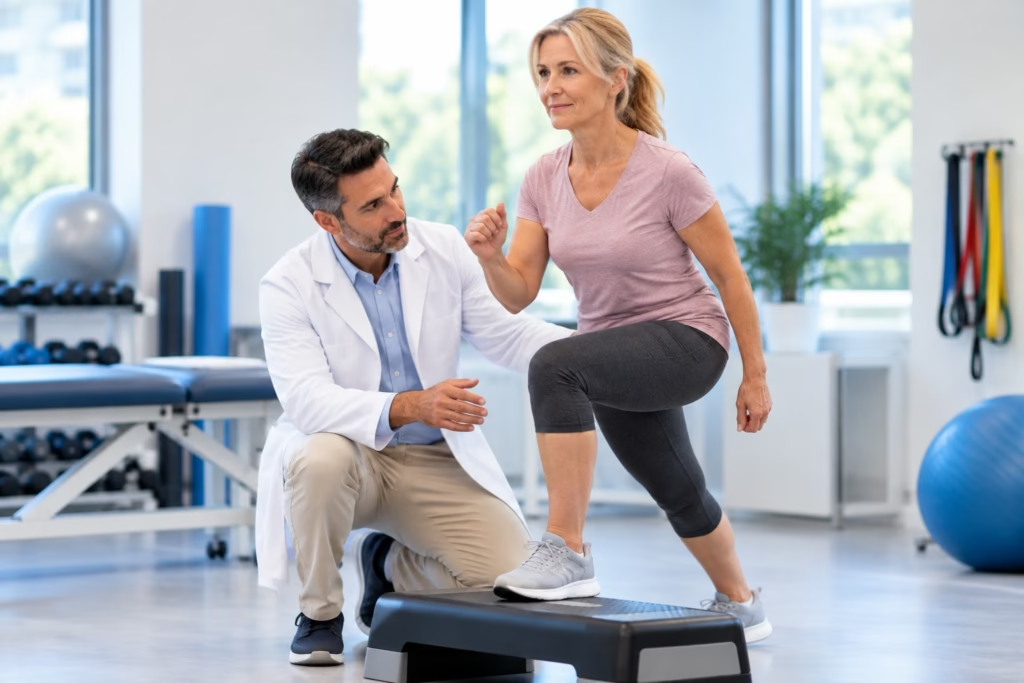
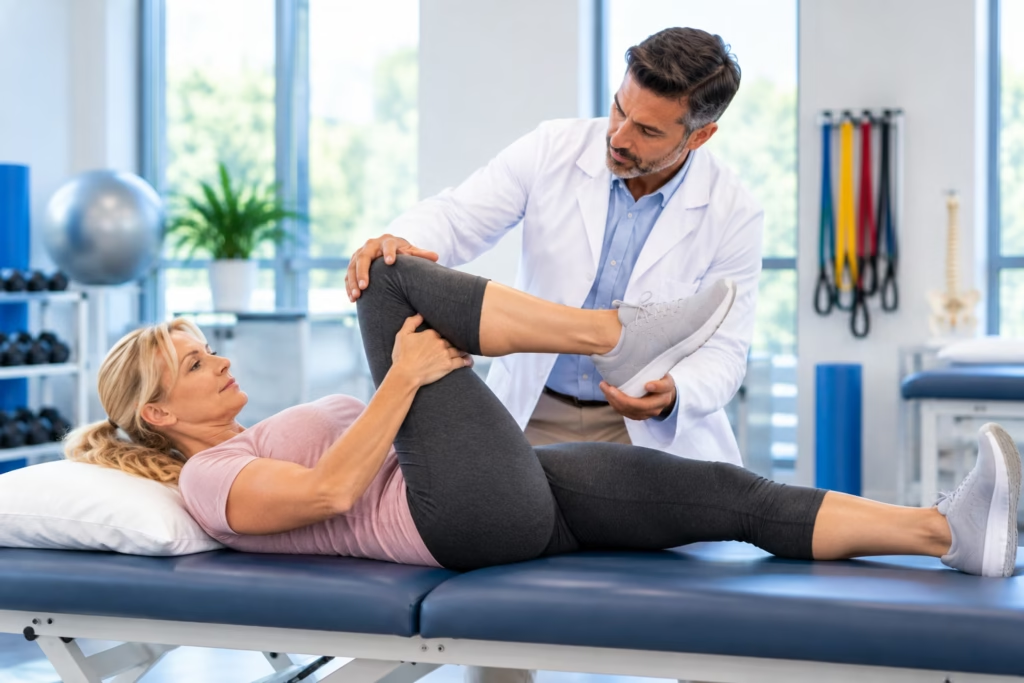
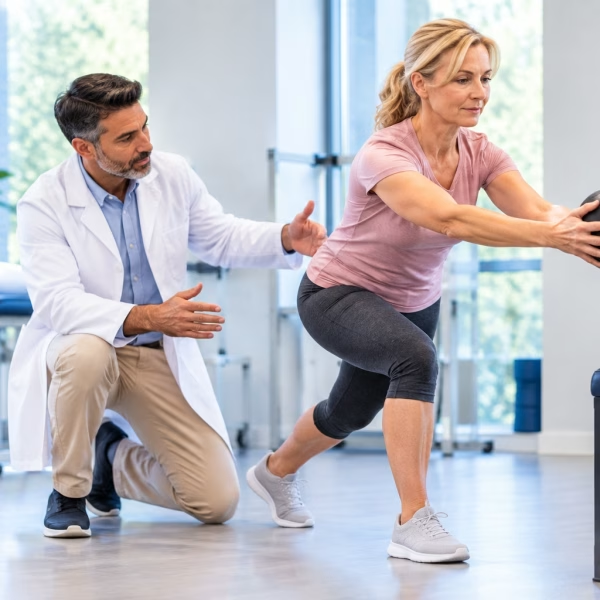
Rehabilitation helps restore movement, strength, capacity and confidence following pain, injury, reduced activity or a clinical procedure. Programmes are based on the diagnosis, current ability, physical demands and goals rather than a standard exercise sheet.
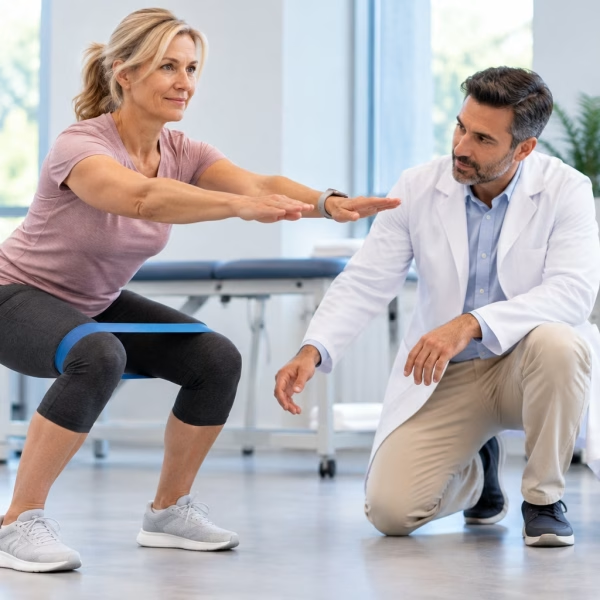
A Plan Matched to the Diagnosis
Dr Kristopher Sanford — Osteopath and Dr Jai Moloy — Osteopath assess movement, strength, mobility, load tolerance and relevant whole-body factors. After their initial introductions on practitioner pages, website copy may refer to them as Kristopher and Jai.
What Rehabilitation May Include
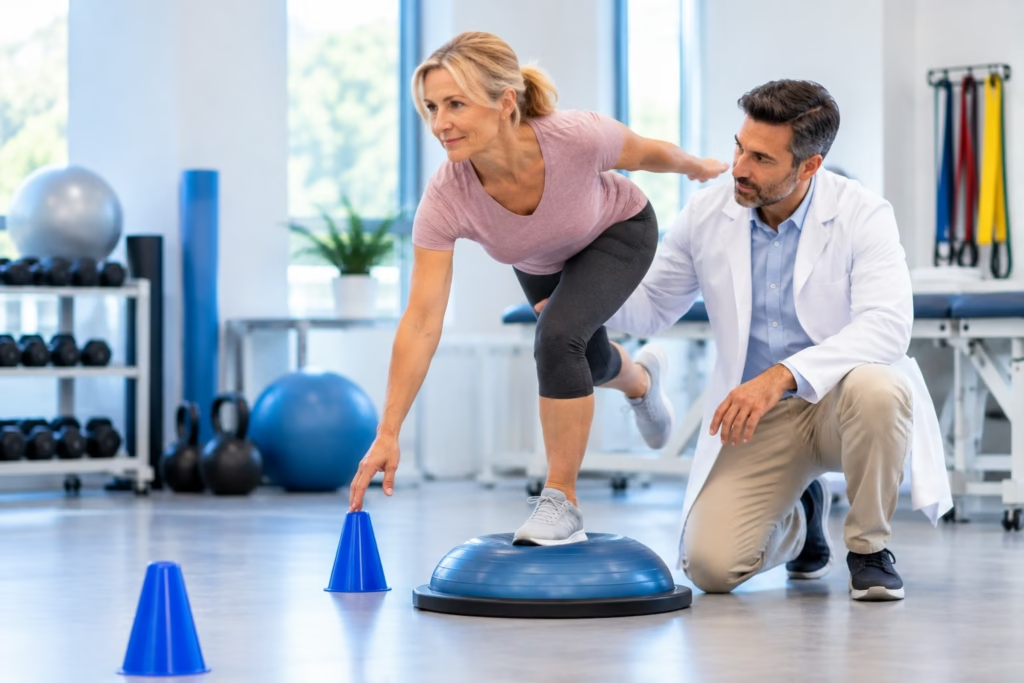
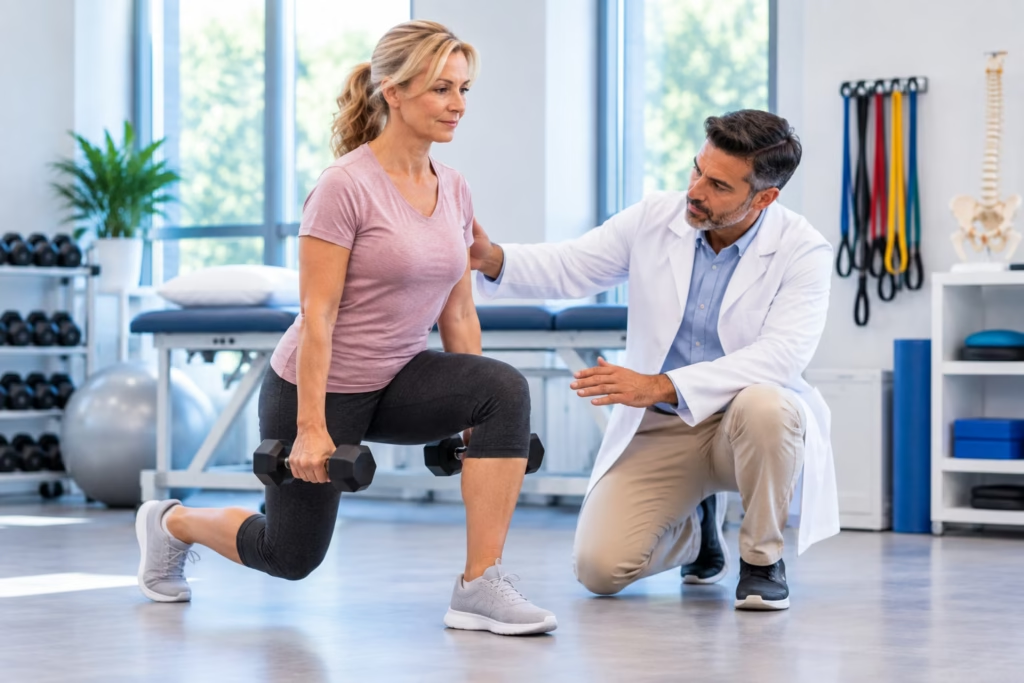
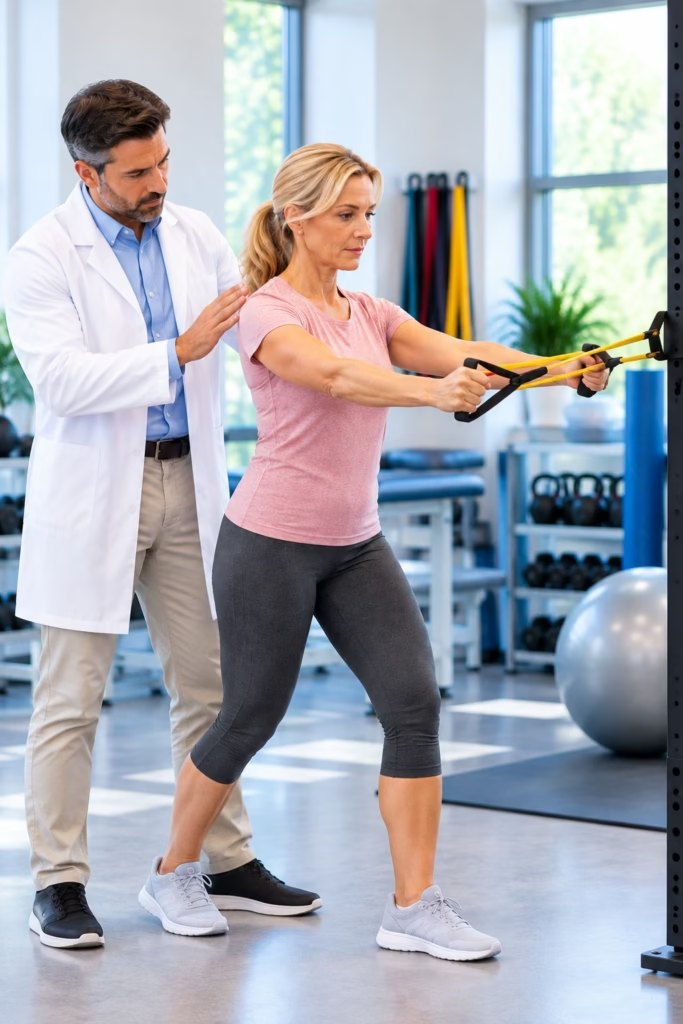
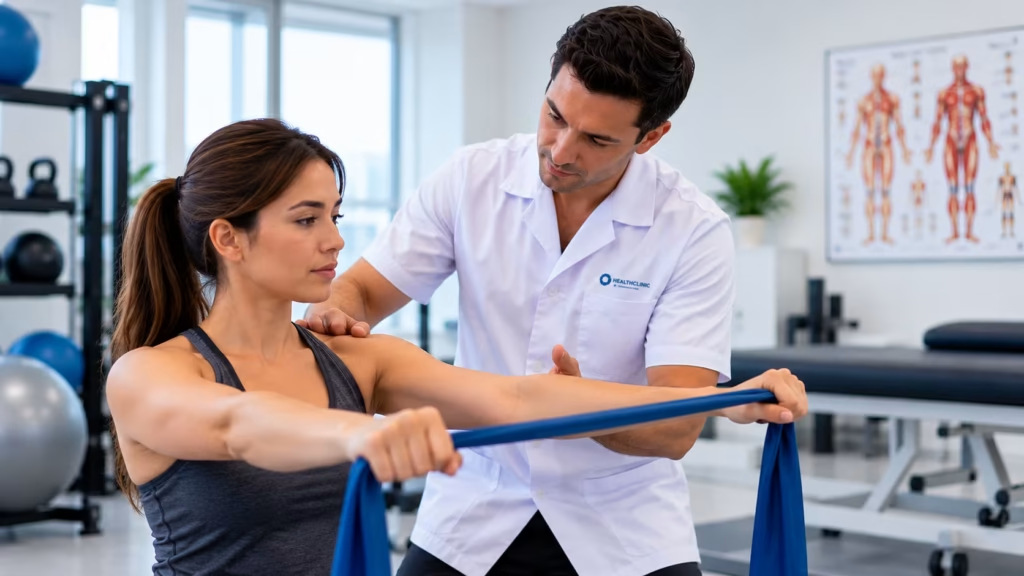
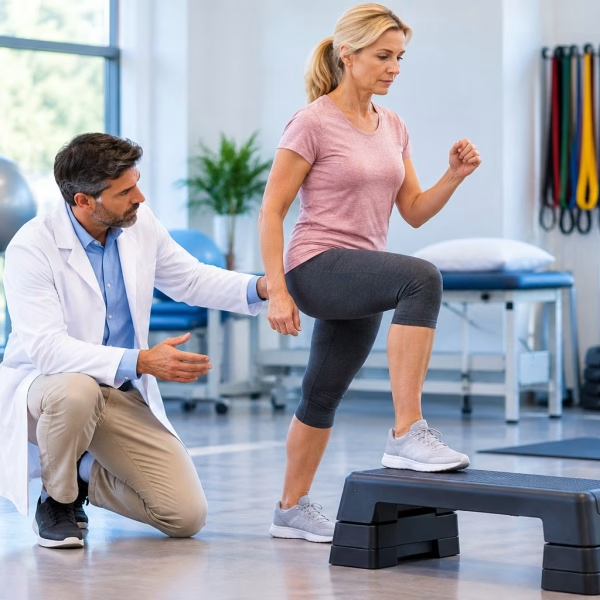
A programme may include mobility work, progressive strengthening, tendon loading, balance and coordination, graded exposure to activity, functional training and return-to-work or return-to-sport planning.
Progressive — Not Rushed
Rehabilitation is adjusted according to symptoms, function and recovery. Some discomfort during exercise can be acceptable in selected conditions, but worsening symptoms, loss of function or unexpected responses require review.
Coordinated Care
Kristopher and Jai work with the diagnosing or treating clinician so that rehabilitation reflects relevant examination and imaging findings. Progress and barriers can be communicated within the team and, with consent, to the referrer.
FREQUENTLY ASKED QUESTIONS
Is rehabilitation only for athletes?
No. Programmes can support walking, work, daily activities, recreational exercise and sport.
Do I need imaging before rehabilitation?
Not routinely. Imaging is considered when it is likely to change the diagnosis or management plan.
What if exercise increases pain?
The programme should be reviewed and adjusted. A flare does not always mean tissue damage, but significant or persistent worsening should not be ignored.
Start with the right healthcare service.
Book a consultation to find out whether miraDry® may be appropriate for you.
All procedures carry potential risks. Individual experiences and outcomes vary.