
Foot & Ankle Health
Diabetic Foot Care in Sydney
Regular foot checks can help identify problems early. HealthiClinic podiatrists provide diabetic foot
assessment and ongoing care in Greenwich.
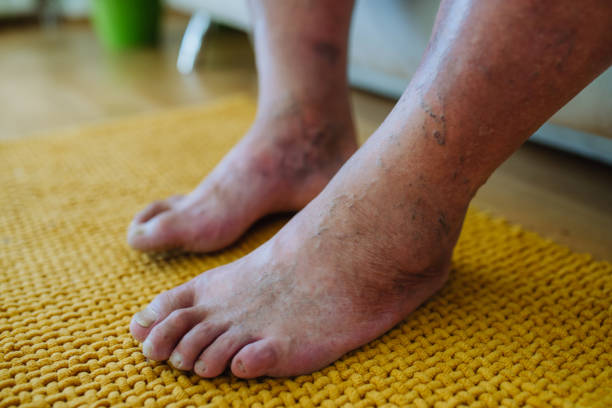



Why is diabetic foot care important?
Diabetes can affect circulation, sensation, skin healing and the way pressure is distributed through the feet.
Not everyone develops foot complications, but regular assessment can help identify changes early.
Podiatry care may include preventive checks, nail and skin treatment, footwear advice and coordination with the patient’s GP or diabetes care team.
Routine treatment
Our podiatrists can provide careful nail care, reduce corns or callus, assess pressure areas and advise on suitable footwear. Treatment is adjusted to the individual’s risk level and health history. Patients should avoid self-treating corns, callus or ingrown nails with sharp instruments or medicated pads when circulation or sensation is reduced.
What does a diabetic foot assessment include?
- Review of current foot concerns and diabetes history
- Skin and nail assessment
- Circulation screening
- Sensation testing
- Pressure, callus and footwear assessment
- Review of previous ulcers, wounds or infections
- Advice on daily foot checks and when to seek help
When should you seek urgent help?
- A new wound, blister or ulcer
- Redness, heat, swelling or discharge
- Taping, padding or bracing
- A black or discoloured area
- Sudden increase in pain or, conversely, a new injury with little pain
- Fever or feeling unwell with a foot problem
- A rapidly changing toe or foot
How often should diabetic feet be checked?
The recommended interval depends on circulation, sensation, previous complications, skin and nail needs,
and the patient’s broader diabetes management. The podiatrist will suggest an appropriate review schedule.
Working with the broader healthcare team
Diabetic foot care is often shared between podiatrists, GPs, diabetes educators, endocrinologists, vascular specialists and wound-care services. HealthiClinic Podiatry will recommend further medical assessment when needed.
Care from our podiatry team
Our associate podiatrists provide routine diabetic foot checks, preventive care and monitoring. The focus is on early recognition, safe treatment and clear communication with the patient and their healthcare team.
Contact Us
Book a diabetic foot assessment if you are due for a check, require safe nail or skin care, or have noticed a new change in your feet.
Meet Dr. Damien Lafferty
Podiatric Surgeon & General Podiatrist
Dr Damien Lafferty is a surgical podiatrist based in Sydney, Australia. He has 38 years of podiatry experience, including 29 years of podiatric surgical experience, and has taught at the University of Newcastle for 19 years.
For patients whose concern can be managed through general podiatry, care may remain straightforward. Where a more specialised pathway is appropriate, the initial assessment can help identify the next step.

FREQUENTLY ASKED QUESTIONS
How often should someone with diabetes see a podiatrist?
It depends on individual risk. Some people require periodic screening only, while others benefit from regular ongoing care.
What is checked during a diabetic foot assessment?
The podiatrist may assess skin, nails, circulation, sensation, pressure areas, footwear and any history of wounds or infection.
Can a podiatrist cut my toenails safely?
Yes. This can be particularly helpful when nails are thick, difficult to reach or there is reduced sensation or
circulation.
What should I do if I find a blister or cut?
Keep it clean, avoid pressure and seek prompt professional advice, particularly if there is redness, swelling, discharge or delayed healing.
Can I use corn plasters?
Medicated corn plasters can damage surrounding skin and are generally not recommended for people with
reduced circulation or sensation.
Do I need special shoes?
Not everyone does. Footwear advice is based on fit, pressure, deformity, activity and risk level.
What is peripheral neuropathy?
It is nerve damage that can reduce sensation or cause tingling, burning or pain. Reduced sensation can make injuries harder to detect.
Can diabetes affect circulation?
Yes. Diabetes can be associated with vascular disease, which may reduce blood flow and healing capacity.
Do I need a referral?
A referral is not usually required for private podiatry, although some funded care pathways do require a GP referral.
When is a diabetic foot problem urgent?
A wound, infection, black tissue, rapidly increasing swelling or systemic illness requires urgent medical assessment.
Book a diabetic foot assessment
Message us and get check, or if you require safe nail or skin care, or have noticed a new change in your feet.