
Foot & Ankle Health
Children's Podiatry in Sydney
Assessment and care for children and adolescents with foot, ankle, walking or activity-related concerns.
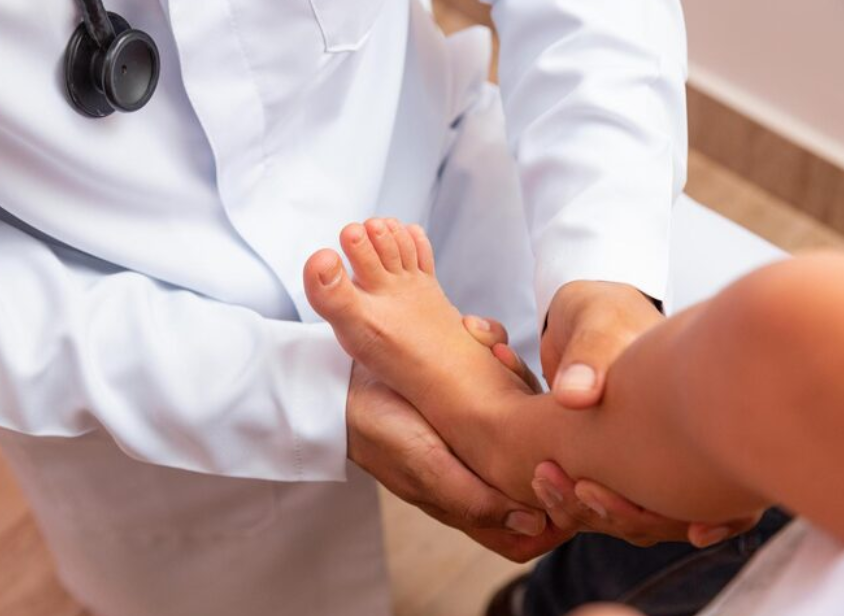





Children's Podiatry at HealthiClinic
Children’s feet and walking patterns change as they grow. Many differences are part of normal development, while others may benefit from a professional assessment when they are associated with pain, reduced
activity, repeated injury, difficulty with footwear or concern about how a child walks or runs.
Read More
At HealthiClinic, children’s podiatry focuses on understanding the child as a whole. The assessment considers symptoms, growth and development, activity levels, footwear, joint movement, muscle function and the way the child stands, walks or runs.
The aim is not to treat every variation, but to identify when reassurance is appropriate and when practical care, monitoring, rehabilitation, footwear advice, orthotic therapy or further investigation may be useful.
Parents are encouraged to bring any relevant medical information, previous imaging, school or sports footwear, and a short history of when the concern first became noticeable.
When May a Children's Podiatry Assessment Help?
A podiatry assessment may be useful when a child or adolescent has:
- Foot, heel, ankle, knee or lower-limb pain during everyday activity or sport.
- Repeated tripping, frequent ankle sprains or difficulty keeping up with peers.
- A walking or running pattern that concerns the child, parent, coach or another health professional.
- Persistent heel pain, particularly during periods of growth or increased sport.
- Painful flat feet or fatigue associated with standing and walking.
- Toe walking that is persistent, asymmetrical or associated with other symptoms.
- Ingrown toenails, skin lesions, warts, corns or footwear-related irritation.
- A previous injury that has not settled as expected.
- Difficulty finding comfortable shoes or fitting orthoses into footwear.
- A known medical, neurological or developmental condition affecting the feet or mobility.
Not every concern requires treatment. In some cases, reassurance, education and monitoring may be the most appropriate outcome of the consultation.
Common Concerns Assessed
Heel Pain in Active Children
Heel pain can occur during growth and may be aggravated by running, jumping or changes in training. Assessment can help identify contributing factors and guide activity modification, footwear, stretching or rehabilitation where appropriate.
Painful Flat Feet
Flat feet are common in children and are not automatically a problem. Assessment is more relevant when flat feet are painful, stiff, asymmetrical, associated with fatigue or limiting activity.
Walking and Running Concerns
A child may be assessed for in-toeing, out-toeing, asymmetry, recurrent tripping, altered running mechanics or other movement patterns that are causing symptoms or functional difficulty.
Sports-Related Foot & Ankle Pain
Growing athletes may develop overuse symptoms, tendon pain, joint irritation, stress-related injuries or recurrent sprains. Management should consider both the injury and the child's training load.
Ingrown Toenails
Ingrown toenails may cause pain, redness, swelling or infection. Treatment depends on the severity, duration, nail shape and whether the problem has recurred.
Warts & Skin Lesions
Plantar warts and other skin lesions may be painful or spread over time. A proper diagnosis helps distinguish warts from corns, callus and other conditions.
Footwear Difficulties
Rapid growth, foot shape, sport requirements and shoe construction can all affect comfort. Practical footwear advice is often an important part of treatment.
Orthotic Assessment
Orthoses are not required for every child. They may be considered when there is a clear symptom, functional goal or clinical reason, and should be reviewed as the child grows.
What happens during a podiatry assessment?
Your consultation begins with a discussion about your symptoms, how long they have been present,
previous treatment and any relevant medical conditions or medications. The clinical examination is then tailored to the reason for your visit.
Depending on the problem, the assessment may include:
- Examination of the skin, nails and areas of pressure
- Assessment of the painful or affected area
- Review of footwear and activity demands
- Observation of standing, walking or lower-limb function when relevant
- Review of circulation, sensation or risk factors when clinically indicated
- Discussion of previous imaging, treatment or surgery
- Explanation of the likely diagnosis and available options
Additional imaging, pathology testing or referral is not required for every patient. It may be recommended
when the examination suggests that further information would be useful.
What Happens at the Appointment?
The consultation begins with a discussion about the concern, when it started, what makes it better or worse, the child’s general health, development, activities, sports and footwear. The physical assessment is tailored to the child’s age and symptoms. Depending on the reason for the visit, the assessment may include:
- Observation of standing, walking or running.
- Assessment of foot and ankle movement.
- Review of muscle strength, flexibility and balance.
- Examination of painful or injured areas.
- Footwear and sports-shoe review.
- Discussion of training load, recent growth and activity changes.
- Consideration of imaging or referral when clinically indicated.
The findings and options are explained in straightforward language so the parent and child understand what has been identified and what the next steps may be.
Possible Management Options
Management is individualised and depends on the diagnosis, symptoms, age, activity level and goals of the
child and family. Recommendations may include one or more of the following:
- Reassurance and monitoring where the variation is considered part of normal development.
- Temporary activity modification or a staged return to sport.
- Footwear changes or advice about school and sports shoes.
- Stretching, strengthening, balance or rehabilitation exercises.
- Padding, taping or other short-term symptom-relief strategies.
- Orthotic therapy when there is a specific clinical indication and functional goal.
- Treatment for ingrown toenails, warts or other skin and nail conditions.
- Referral for imaging, physiotherapy, medical review or specialist opinion when appropriate.
Treatment recommendations should be practical, proportionate and reviewed as the child grows or their
activities change.
When Further Investigation or Referral May Be Needed
Some presentations require further assessment beyond routine podiatry care. Imaging, medical review or referral may be considered when there is persistent or severe pain, significant swelling, a history of trauma, marked asymmetry, neurological signs, systemic symptoms, night pain, progressive loss of function or
concern about a stress injury or structural condition.
Where appropriate, HealthiClinic can work with the child’s general practitioner, physiotherapist,
paediatrician, sports physician, radiologist or other treating practitioners.
Meet Dr. Damien Lafferty
Podiatric Surgeon & General Podiatrist
Dr Damien Lafferty is a surgical podiatrist based in Sydney, Australia. He has 38 years of podiatry experience, including 29 years of podiatric surgical experience, and has taught at the University of Newcastle for 19 years.
For patients whose concern can be managed through general podiatry, care may remain straightforward. Where a more specialised pathway is appropriate, the initial assessment can help identify the next step.

Explore Our Podiatry Services
Heel Pain
Assessment of plantar fasciosis, Baxter’s nerve irritation, heel bone stress and other causes of persistent heel pain.
Ingrown Toenails
Care for painful, infected, recurrent or previously treated ingrown toenails, with several anaesthetic and procedural options available.
Orthotics & Biomechanical Assessment
Assessment of foot function, gait and lower-limb mechanics, with orthotic therapy prescribed when clinically appropriate.
Children's Podiatry
Assessment of walking patterns, flat feet, heel pain, sports symptoms, ingrown toenails and other common paediatric foot concerns.
Sports Podiatry
Assessment and treatment of foot and ankle pain affecting sport, exercise, training and return to activity.
Diabetic Foot Care
Risk assessment, skin and nail care, circulation and sensation screening, and practical advice to reduce preventable foot complications.
Senior Foot Care
Foot care designed to support comfort, mobility, balance and independence as foot health needs change with age.
Routine Foot Care
Regular care for nails, hard skin, corns and other concerns that may become difficult to manage safely at home.
FREQUENTLY ASKED QUESTIONS
Does every child with flat feet need treatment?
No. Flat feet are common in children and many are painless and flexible. Assessment is most useful when there is pain, stiffness, asymmetry, fatigue, repeated injury or difficulty participating in normal activities.
At what age can a child see a podiatrist?
Children can be assessed at any age when there is a specific concern. The nature of the assessment and any recommendations will depend on the child’s age, development and symptoms.
Do children always need orthotics?
No. Orthotics are not routinely required for every child with flat feet or an unusual walking pattern. They may be considered when there is a clear symptom, functional problem or clinical goal.
What should I bring to my appointment?
Bring the child’s usual school shoes, sports shoes and any orthoses they currently wear. Relevant medical information, previous reports or imaging can also be helpful.
Can you assess heel pain in growing children?
Can you help with repeated ankle sprains?
A podiatry assessment can examine contributing factors such as balance, strength, joint movement, footwear and lower-limb mechanics. Management may also involve rehabilitation or referral to another
practitioner.
Do you treat ingrown toenails in children and teenagers?
Yes. Treatment depends on the severity and whether the problem is new, infected or recurrent. Options range from conservative care to a procedure under local anaesthetic when clinically appropriate.
What if my child is anxious about the appointment?
The consultation can be paced according to the child’s age and comfort. The assessment is explained step by step, and no procedure is performed without discussing it with the parent and child first.
Do we need a referral?
A referral is generally not required for a private podiatry appointment. Some funding, insurance or care-plan
arrangements may have separate requirements.
Where is HealthiClinic Podiatry located?
Concerned about your child's feet,
walking or activity-related pain?
A children’s podiatry assessment can help clarify whether the concern is part of normal development, requires monitoring, or may benefit from practical treatment or further investigation.