
Foot & Ankle Health
Chronic Heel Pain Assessment and Treatment

What is chronic heel pain?
Chronic heel pain generally refers to pain around the heel that persists beyond the expected early healing period, repeatedly returns or continues despite initial care. It is a description of the symptom rather than a single diagnosis.
Pain may arise from the plantar fascia, a nearby nerve, the heel bone, the heel fat pad, a tendon or another structure. More than one contributor may be present. This is why a careful history and examination are important before deciding which treatment is appropriate.
Why has my heel pain not settled?
Many episodes of heel pain improve with time, load management, suitable footwear and a progressive exercise program. When pain continues, it may be because the tissue remains overloaded, the diagnosis is incomplete, recovery has not been given sufficient time, or the chosen treatment does not address the main source of symptoms. Persistent pain does not automatically mean that surgery or injections are required. It does mean that the diagnosis, contributing factors and response to previous treatment should be reviewed rather than simply
repeating the same approach indefinitely.
Common Causes of Heel Pain
Plantar fascia–related heel pain
Pain commonly occurs near the inner underside of the heel and may be most noticeable with the first steps after rest. In longer-standing cases, the plantar fascia can show degenerative change, thickening or altered tissue quality, sometimes described clinically as plantar fasciosis.
Baxter’s nerve irritation or entrapment
The first branch of the lateral plantar nerve, often called Baxter’s nerve, can become irritated or compressed. Symptoms can overlap with plantar fascia pain and may include burning, aching or persistent medial heel pain.
Calcaneal bone stress or bone marrow oedema
The heel bone can become painful following excessive or repetitive loading. MRI may be considered when bone stress, bone marrow oedema or a stress injury is suspected.
Heel fat-pad pain
The cushioning tissue beneath the heel can become painful or less effective. This may produce a bruised or deep central heel sensation, particularly on hard surfaces.
Achilles tendon and posterior heel disorders
Pain at the back of the heel may arise from the Achilles tendon, its insertion, a bursa or bony prominence. This requires a different assessment and treatment pathway from plantar heel pain.
Referred, inflammatory or less common causes
Nerve irritation higher in the limb, inflammatory arthritis, infection, a soft-tissue lesion or other less common conditions may occasionally contribute. Red flags or an atypical pattern should prompt broader investigation or referral.
When should heel pain be assessed?
An assessment is reasonable when heel pain is affecting walking, work, exercise or sleep; has persisted or repeatedly returned; or has not improved with sensible initial measures. Earlier assessment may be appropriate when the pain began after trauma, weight-bearing is difficult, there is marked swelling, numbness, night pain, fever, a wound, or a history that raises concern about bone stress, infection or systemic disease.
Urgent-care note
Sudden inability to bear weight, a significant injury, rapidly increasing redness or swelling, fever, an open wound, or new neurological symptoms may require urgent medical assessment rather than routine online booking.
How Heel Pain Is Assessed
A Diagnosis Should Guide the Treatment
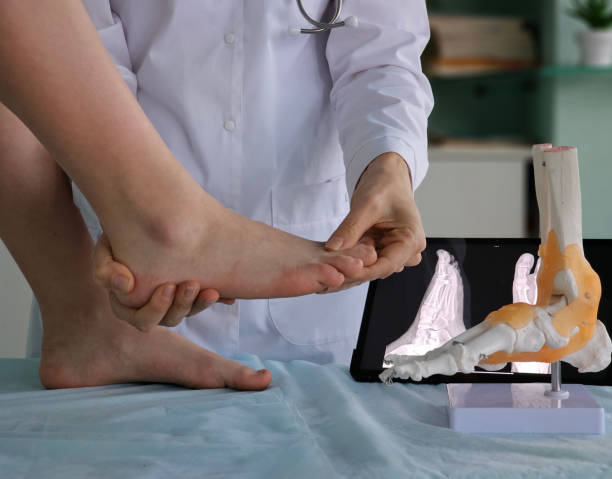
The consultation begins with the history of the pain: where it is felt, how it started, what makes it better or worse, the pattern through the day, activity and footwear demands, medical factors and the response to previous treatment. The physical assessment may examine the plantar fascia, nerves, heel bone, fat pad, Achilles tendon, ankle movement, foot function, strength, balance and walking pattern. The extent of the assessment is tailored to the presentation rather than applying the same tests to every patient.
Imaging When Clinically Useful
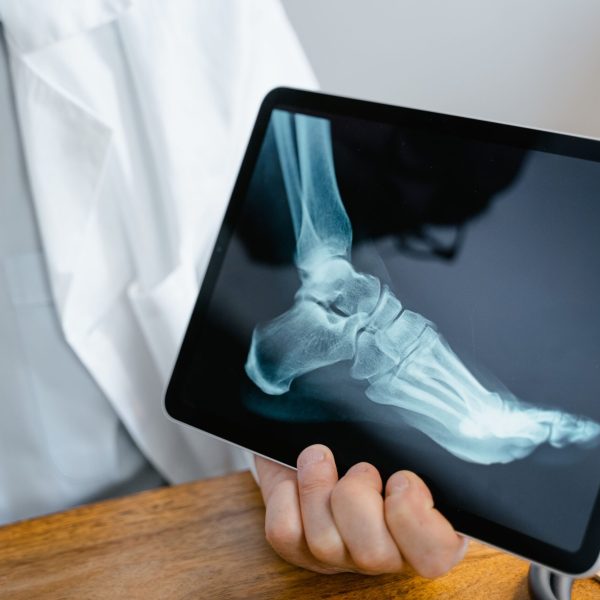
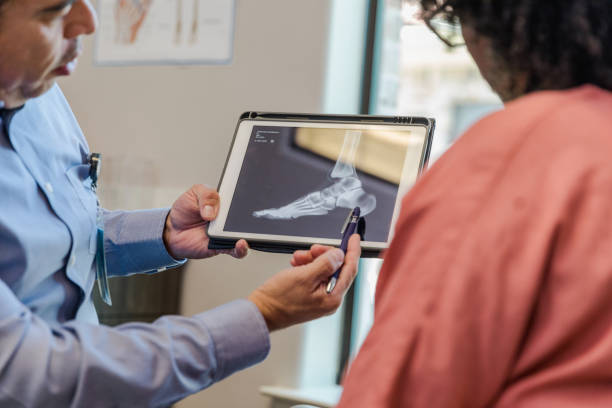
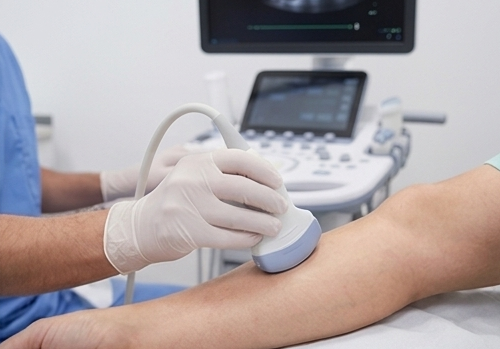
Imaging is not automatically required for every person with heel pain. Ultrasound may assist in evaluating the plantar fascia and selected soft-tissue structures. X-ray, MRI or other investigations may be considered when the symptoms or examination suggest bone stress, marrow oedema, a nerve-related problem, a significant tear, arthritis or another diagnosis that requires clarification.
Treatment is Matched To The Diagnosis & Stage Of The Condition
An assessment is reasonable when heel pain is affecting walking, work, exercise or sleep; has persisted or repeatedly returned; or has not improved with sensible initial measures. Earlier assessment may be appropriate when the pain began after trauma, weight-bearing is difficult, there is marked swelling, numbness, night pain, fever, a wound, or a history that raises concern about bone stress, infection or systemic disease.
Load and activity management
Temporary changes to walking, running, standing, training or work demands may reduce repeated aggravation while maintaining as much safe activity as possible.
Footwear and cushioning
Shoes, heel cushioning or temporary taping may be used to reduce irritation and improve comfort during recovery.
Exercise and rehabilitation
A programme may include plantar fascia–specific stretching, calf mobility, progressive strengthening of the foot and lower limb, and a graded return to activity.
Orthotic therapy when indicated
Orthoses may help selected patients by modifying load, improving comfort or addressing relevant foot mechanics. They are not automatically required for every person with heel pain.
Shockwave therapy
Extracorporeal shockwave therapy may be considered for some cases of persistent plantar fascia–related heel pain as part of a broader rehabilitation plan.
Medication or other medical management
Medication may sometimes be considered in conjunction with the patient’s GP or treating medical practitioner, taking account of medical history and the likely pain mechanism.
Ultrasound-guided procedures
For selected chronic cases, an ultrasound-guided diagnostic or therapeutic procedure may be discussed. The proposed target, expected benefits, limitations, risks and alternatives should be explained before treatment.
Surgical assessment
Surgery is not first-line care for most heel pain. It may be discussed only when a clear diagnosis has been established, appropriate non-operative treatment has been undertaken and symptoms remain materially limiting.
Meet Dr. Damien Lafferty
Podiatric Surgeon & General Podiatrist
Dr Damien Lafferty is a surgical podiatrist based in Sydney, Australia. He has 38 years of podiatry experience, including 29 years of podiatric surgical experience, and has taught at the University of Newcastle for 19 years.
For patients whose concern can be managed through general podiatry, care may remain straightforward. Where a more specialised pathway is appropriate, the initial assessment can help identify the next step.

Understand your foot problem before deciding what to do
The HealthiClinic Learning Centre provides patient-friendly information about common foot conditions, assessment options and treatment pathways. It includes detailed articles, handbooks, frequently asked questions and educational videos.
- A consultation focused on understanding the cause of the problem, not only the symptom
- Conservative treatment and practical self-care advice where appropriate
- Access to more specialised assessment and procedural options when clinically indicated
- Clear explanations to help patients make informed decisions
- Coordination with other health professionals when broader medical or musculoskeletal care is required
- Educational resources through the HealthiClinic Learning Centre
FREQUENTLY ASKED QUESTIONS
Do I need a referral to see a podiatrist?
No. In most cases, you can book a podiatry appointment directly. A referral may be required for some specific funding arrangements, care plans or insurance pathways, but it is not generally required for a private appointment.
I am not sure which podiatry service I need?
A general podiatry appointment is usually a suitable starting point. The podiatrist can assess the problem and direct you to a more specific service if required.
Can treatment be provided at the first appointment?
Many straightforward nail, skin and pressure problems may be treated during the first visit. More complex concerns may require further assessment, imaging, a treatment plan or a separate procedure.
What should I bring to my appointment?
Bring a list of relevant medications, any previous imaging or reports, and the shoes you wear most often if the concern relates to walking, activity or footwear. It is also helpful to know what treatments you have already tried.
Does general podiatry include nail and skin care?
Yes. General podiatry commonly includes assessment and care for thick or painful nails, corns, calluses, cracked heels, pressure areas and other common skin or nail concerns.
Can you assess foot pain as part of a general podiatry visit?
Yes. A general podiatry appointment can be used to begin the assessment of foot pain. Depending on the findings, you may be directed to a more specific heel pain, sports, orthotics or surgical assessment pathway.
Do you see children and older adults?
Yes. HealthiClinic offers podiatry services for children, adults and older patients. A dedicated children’s or senior foot-care page may provide more specific information.
Can I claim podiatry through private health insurance?
This depends on your insurer, policy and level of extras cover. Contact your insurer directly if you need confirmation of your eligibility or expected rebate.
Where is HealthiClinic Podiatry located?
HealthiClinic is located in Greenwich, Sydney. Appointment availability at any additional consulting location should be confirmed through the clinic when booking.
How do I book an appointment?
Use the Book Online button on this page or contact HealthiClinic. Choose a general podiatry appointment when you are unsure which service is most appropriate.
Book a Chronic Heel Pain Assessment
If you have a foot, nail, skin or lower-limb concern and are unsure where to start, a general podiatry appointment can provide an assessment and a clear plan for the next step.